Two Commercial Finance Consultants Charged By SEC in Ponzi Scheme
August 22, 2018Two commercial finance consultants were charged by the SEC earlier this week for their alleged role in soliciting investors to place their savings into mortgage-backed securities issued by Woodbridge Group of Companies, LLC, a company revealed to be a $1.2 billion ponzi scheme.
Barry Kornfeld and Ferne Kornfeld of Parkland, Florida, allegedly earned $3.7 million in commissions by selling unregistered securities to more than 500 investors. Barry Kornfeld was already barred by the SEC for previous securities violations, the complaint states. The Kornfelds taught a “conservative retirement, income planning and social security” class at Florida Atlantic University, where the investments were pitched, the SEC says.
FEK Enterprises, Inc. DBA First Financial Tax Group, the company the Kornfeld’s operated, is also named in the complaint.
Their LinkedIn profiles, however, currently list them as the owners of Value Capital Funding, a small business financing broker in Boca Raton, FL.
UCS-BizBloom Deal Could Be First of Many
August 21, 2018United Capital Source (UCS) was chosen to service BizBloom’s book of business, according to UCS CEO Jared Weitz. After BizBloom’s president, Thomas Costa, stepped down, the company’s main investor assumed control and arranged for the company’s portfolio of merchants to be serviced by UCS. Weitz told AltFinanceDaily that he was familiar with the BizBloom investor previously.
“When [they] reached out to me, I knew it was something we would be able to do,” Weitz said. “Between the experience of our account reps, our CRM, our technology that helps us, and our existing relationships, we knew we could take on the additional work, no problem.”
UCS will now control servicing BizBloom’s old portfolio, helping to place renewals. Weitz said he has a confidential financial arrangement with them.
“This type of arrangement is extremely common in finance,” Weitz said. “For instance, when Bizfi went out of business, Credibly was servicing their portfolio.”

While UCS is not known as a servicing company and Weitz said that he is not looking to turn UCS into a servicing company, he said that he is interested in doing more of this.
“It got me thinking that if there are any additional ISOs out there that aren’t growing, aren’t happily performing, or are just looking to get into something else, but have an existing book, UCS would look to service that as well,” Weitz said.
It turns out that BizBloom’s merchants are very similar to the ones that UCS services. And many of the merchants are funded by the same companies that UCS already has relationships with. When UCS opened in 2011, they initially brokered cash advance deals exclusively. But since then, they have added equipment financing, business term loans, business lines of credit and factoring, among other products. They service merchants in a variety of industries, from fitness centers to hotels to gas stations. According to Weitz, 98% of the company’s leads come from its internal marketing team.
Wellen Makes the Inc.5000 List
August 15, 2018
Chicago — August 15, 2018 — Inc. magazine today listed Wellen Capital on its annual Inc. 5000, the most prestigious ranking of the nation’s fastest-growing private companies. The list represents a unique look at the most successful companies within the American economy’s most dynamic segment— its independent small and midsized businesses. Companies such as Microsoft, Timberland, Vizio, Intuit, Chobani, Oracle, Zappos.com, and many other well-known names gained their first national exposure as honorees of the Inc. 5000.
“We’re so pleased to be included in the Inc. 5000. This honor reflects the hard work our team has put in not just this past year, but over the last several years that has driven the revenue growth that earned us a spot on the list.” said Wellen President Jim Teppen. “We couldn’t have done it without our sales partners, key vendors, and financial backers” added Teppen. “Those relationships provided crucial support in our growth over these past few years.”
The Inc. 5000 is a list of the fastest-growing private companies in America. Started in 1982, this prestigious list of the nation’s most successful private companies has become the hallmark of entrepreneurial success. Complete results of the 2018 Inc. 5000, including company profiles and an interactive database that can be sorted by industry, region, and other criteria, can be found at www.inc.com/inc5000.
About Wellen Capital:
Since 2012, Wellen (f/k/a Gibraltar Capital Advance) has been providing working capital solutions to small and mid-sized businesses across America. Headquartered in Chicago, Wellen supports American business growth with its capital advance product – allowing customers to access between $10,000 and $250,000 in short-term working capital.
Contact:
Steven O’Connor
224.374.1519
soconnor@wellen.com
Underwriting 101—Veteran Funders Share Tools of the Trade
August 12, 2018For brokers, funding partnerships are critical to success. But making the most of these connections can be elusive.
“Transparency, efficiency and a thorough scrubbing on the front end can help the whole process,” says William Gallagher, president of CFG Merchant Solutions, an alternative funder with offices in Rutherford, N.J. and Manhattan.
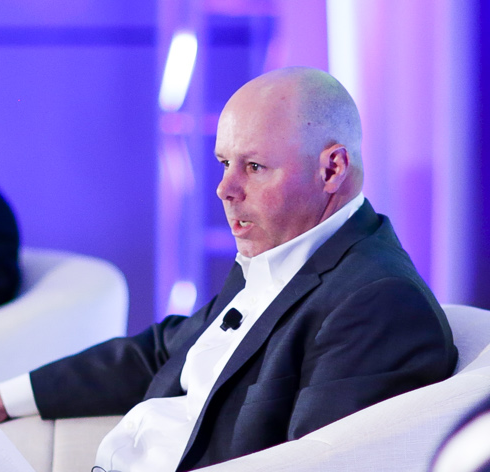
Gallagher recently moderated an “Underwriting 101” panel at Broker Fair 2018, which AltFinanceDaily hosted in May. The panel featured a handful of representatives from different funding companies discussing various hot-button items including striking the proper balance between technology and human underwriting, trade secrets of the submission process and stacking. Here are some major takeaways from that discussion and from follow-up conversations AltFinanceDaily had with panel participants.
Each funder has slightly different processes and requirements. Brokers need to understand the different nuances of each firm so they know how to properly prepare merchants and send relevant information, funders say.
Many brokers sign up with funders without delving deeper into what the different funders are really looking for, says Jordan Fein, chief executive of Greenbox Capital in Miami Gardens, Fla., that provides funding to small businesses.
For example, there are a growing number of companies that rely more heavily on advanced technology for their underwriting, while others have more human intervention. Brokers need to know from the start what the funder’s underwriting process is like—the nitty gritty of what each funder is looking for—so they can more effectively send files to the appropriate funder.
“They will look poor in front of the merchant if they don’t really know the process,” Fein says.
Certainly, it’s a different ballgame for brokers when dealing with funders that are more human based versus more automated, says Taariq Lewis, chief executive and co-founder of Aquila Services Inc., a San Francisco-based company that offers merchants bank account cash flow analysis as well as funding that ranges from 70 days to 100 business days.

At Aquila, the process is meant to be totally automated so that brokers spend more time winning deals faster, with better data to do so. This means, however, that some of the underwriting requirements differ from some other industry players. Aquila’s most important requirement is that a merchant’s business is generally healthy and shows a positive history of sales deposits. Other funders require documents and background explanations, whereas Aquila strives to be completely data-driven, Lewis says. These types of distinctions can be important when submitting deals, funders say.
Stacking is another example of a key difference among funders that brokers need to understand. It’s a controversial practice; some funders are open to stacking, while others will only take up to a second or third position; a number of funders shy away from the practice completely. Brokers shouldn’t waste their time sending deals if there’s no chance a funder will take it; they have to do their research upfront, funders say.
Most times, brokers “don’t invest enough time to understand the process,” Fein says.
Some brokers may feel competitive pressure to sign up with as many funders as possible, but it can easily become unwieldy if the list is too long, funders say. Better, they say, to deal with only a handful of funders and truly understand what each of them is looking for.
“There are brokers that deal with 20 [funders], but I don’t think it’s a good, efficient practice,” says Rory Marks, co-founder and managing partner of Central Diligence Group, a New York funder that provides working capital for small businesses.
He suggests brokers select funders that are easy to work with and responsive to their phone calls and emails. Not all funders will pick up the phone to speak with brokers who have questions, but he believes his type of service is paramount, he says. “It’s something we do all the time,” he says.
He also recommends brokers consider a funder’s speed and efficiency of funding as well as document requirements and their individual specialties. There are plenty of funders to choose from, so brokers shouldn’t feel they have to work with those that are more difficult, he says.
To prevent a broker’s list from becoming too unwieldy, Gallagher of CFG Merchant Solutions suggests brokers have two to three go-to funders in each category of paper from the highest quality down to the lowest. Having a few options in each bucket allows greater flexibility in case one funder changes its parameters for deals, he says.
Brokers “sometimes just shotgun things and throw things against the wall and hope they stick,” Gallagher says. Instead, he and other funders advocate a more precise approach –proactively deciding where to send files based on what they know about the merchant and research they’ve done on prospective funders.
It used to be that when sending files to funders, brokers would provide some background on the company in the body of the email. This was helpful because even a few sentences can help funders gain some perspective about the company and better understand their funding needs, says Fein of Greenbox Capital.
These days, however, Fein says he’s getting more emails from brokers that simply request the maximum funding offer, without providing important details about the business. The financials on ABC importing company aren’t necessarily going to tell the whole story because funders won’t know what products they import and why the business is so successful and needs money to grow. Providing these types of details could help sway the underwriting process in a merchant’s favor. Brokers don’t have to say a lot, but funders appreciate having some meaty details. “A few sentences go a long way,” Fein says.
Many brokers make the mistake of overpromising what they can get for merchants and how long the process could take, funders say. Both can cause significant angst between merchants and brokers and between brokers and funders.
If a company is doing $15k in sales volume and asking for $50k in funding, the broker should know off the bat, the merchant is not going to get what he wants, says Marks of Central Diligence Group. By managing merchant’s expectations, brokers are doing their clients—and themselves—a favor. Why waste time on deals that won’t fund because they are fighting an uphill battle? Brokers shouldn’t knowingly put themselves in the position of having to backtrack later, Marks says.
Instead, explain to the merchant ahead of time he’s likely to receive a smaller amount than he’d hoped for. To show him why, walk the merchant through a general cash flow analysis using data from the past three to four months, says Gallagher of CFG Merchant Solutions. This will help merchants understand the process better, and it can help raise a broker’s conversion rate, he says.
“It’s about setting realistic expectations,” Marks says.
Sometimes brokers take only a cursory look at a merchant’s financials, and because of this, they overlook important details that can delay, significantly alter, or sink the underwriting process, funders say.
Heather Francis, founder and chief executive of Elevate Funding in Gainesville, Fla., offers the hypothetical example of a merchant who has total deposits of $80k in his bank account. On its face, it may look like a solid deal and the broker may make certain assurances to the merchant. But if it comes out during underwriting that most of the deposits are transfers from a personal savings account as opposed to sales, there can be trouble. Based on the situation, the merchant may only be eligible for $30k, but yet the owner is expecting to receive $80k based on his discussions with the broker. Now you have an unhappy merchant, a frustrated broker and a funder who may be blamed by the merchant, even though it’s really the broker who should have dug deeper in the first place and then managed the merchant’s expectations accordingly. “We see that a lot,” says Francis.
To get the most favorable deals for merchants, some brokers only present the rosiest of information in the hopes that the funder won’t discover anything’s amiss. Several panelists expressed frustration with brokers who purposely withhold information, saying it puts deals at risk and makes the process much less efficient for everyone.
Marks of Central Diligence Group offers the hypothetical example of a merchant whose sales volume dipped in two of the past six months. To push the deal through, a broker might submit only four months of data, hoping the funder doesn’t ask about the other two months. Some funders might accept only four statements, but other shops will want to see six. If a funder then asks for six, the broker’s omission creates unnecessary friction, he says.
Funders say it’s better to be upfront and disclose relevant information such as sales dips or some other type of temporary setback that weighs a merchant’s financials. Kept hidden, even small details could easily become game-changers—or deal-breakers—a losing proposition for merchants, brokers and funders alike.
“If we have the full story upfront and we’re going in eyes wide open, we can look at the file in a little bit of a different way,” says Gallagher of CFG Merchant Solutions.
Signature Bank Expands West
August 6, 2018 Signature bank announced last week that it received approval from both the New York State Department of Financial Services and the Federal Deposit Insurance Corp. (FDIC) to begin operating in California. The Bank already opened an accommodation office at the beginning of the year as it began preparations to introduce its single-point-of-contact banking model on the west coast. The single-point-of-contact model means that a client deals with only a small teams for all of its needs.
“There is significant talent on the west coast, and our established single-point-of-contact approach has already been very well received since the bank launched its presence in San Francisco,” said Signature Bank President and CEO Joseph J. DePaolo. “We look forward to expanding our footprint in California and bringing privately owned businesses the same level of client commitment, care and service for which this bank has become known.”
Signature Bank focuses on privately owned business clients, providing them with business loans, equipment finance and leasing, as well as SBA loans. Although a Signature Bank spokesperson said that SBA loans make up a very small percentage of the bank’s loans. Since opening May 2001, the bank has made $33.25 billion in loans. According to the bank’s second quarter earnings report, the bank’s provision for loan losses for the second quarter of 2018 was $8.0 million, compared with $187.6 million for the second quarter of last year. The previously elevated provisions were due to the bank’s New York City taxi medallion loan portfolio. (The value of New York City taxi medallions has dropped dramatically with competition from driving services like Uber.)
According to the bank’s website, it serves the “financial needs of privately owned businesses, their owners and senior managers – a group of clients who often find themselves underserved by the [New York] area’s larger financial institutions.”
Signature Bank is a full-service commercial bank with offices in the five boroughs of New York City, as well as Nassau, Suffolk and Westchester counties in New York and Fairfield County in Connecticut.
CA Bill to Revise Definition of Broker: 6/27/18 Hearing Transcript & Video (AB 3207)
July 29, 2018AB 3207 – CA Bill to Revise the definition of broker (6/27/18)
[0:00:02]
Bradford: We started as a subcommittee. We've already heard Assembly Member Arambula’s Bill AB 1289. Do we have a quorum? We’re gonna ask the secretary to call the roll and establish the quorum.
Speaker: Senator Bradford.
Bradford: Here.
Speaker: Bradford here. Vidak.
Vidak: Present.
Speaker: Vidak here. Gaines. Galgiani.
Galgiani: Here.
Speaker: Galgiani here. Hueso.
Hueso: Here.
Speaker: Hueso here. Lara.
Lara: Here.
Speaker: Lara here. Portantino.
Bradford: Quorum is established. So, we have only one other vehicle that will be heard today. That’s AB 3207 by Assembly Woman Limon and she is here present. And when you’re ready, Ms. Limon, you can make your presentation.
Limon: Great. Thank you, Chair. I wanna start off by taking the committee amendments and committing to work on any concerns addressed in the committee analysis. AB 3207 will provide important consumer protections for the thousands of consumers and small business owners who are served by finance lenders and brokers licensed under the California Financing Law. Under existing law, the definition of broker is vague and circular, leading to the confusion from lenders about which entities they can partner with when arranging loans. Further, the definition of broker in existing law was formulated long before the rise of the internet and the evolution of online lead generation. So, our laws need to be updated with this online activity in mind. Lead generators provide valuable marketing services to a wide range of industries and this bill contains a specific exemption clarifying that distribution of marketing materials or factual information about a lender is not a broker brokering activity. However, many online lender generators that serve the lending industry provide more than just marketing services. These entities act as brokers when they bring borrowers and lenders together to arrange a loan based on confidential data provided by a consumer or small business owner. This bill will allow online lead generators to continue to operate in California. Simply, this bill requires 3 basic things from these companies. One, get a business license from the State Department of Business Oversight; two, provide transparent disclosures to the customers; and three, obtain your customer’s consent before selling and transmitting their confidential data. Arguments from the opposition that this bill will cause lead generators to leave the state raise an important question. Why would a bill focused on licensure and transparency cause a small business to leave a very lucrative California market? Over the past 5 months, I have worked extensively with lenders and lead generators to ensure that this bill appropriately addresses the consumer protection concerns in our lending markets without placing unnecessary burdens on the businesses that work in this area. None of these companies have threatened to leave the state. In fact, many of them have applauded the efforts to bring clarity to existing law and bring bad actors out of the shadows and into the light. This bill has the support of consumer and commercial lenders, the Department of Business Oversight, and a coalition of consumer advocates who are here today to voice their support. With me, I have Adam Wright, senior counsel in the enforcement division in the Department of Business Oversight, to answer any questions from the committee.
Bradford: Witnesses and support, please come forward. State your name, organization.
Martindale: Chair Member, Suzanne Martindale with Consumers Union. We do support this measure and really appreciate the author's leadership in seeking to ensure that our laws stay up to date in terms of evolving technologies. Of course, a lot of lending now happens online and the business models have shifted, but that does not mean that consumers are not, you know, any less entitled to receiving protections when third parties acting on behalf of lenders are marketing to them and helping facilitate the origination of loans and also in particular handling sensitive information and the kinds of things that we wanna always ensure are protected. So, we understand that there’s potentially more discussion to be had about finding the sweet spot here, but I really, really think that the time is now to move forward and ensure that the DBO has the enforcement tools that it needs to properly regulate the space so that consumers who receive online loans are no less protected than those who get them in brick and mortar stores. So, for these reasons, we support and request an aye vote.
Bradford: Thank you. Additional witnesses and support.
Coleman: Good afternoon. Ronald Coleman here on behalf of the California Low Income Consumer Coalition (CLICC). Also here in strong support.
Bradford: Thank you.
Aponte-Diaz: Hi. Graciela Aponte-Diaz, Center for Responsible Lending. Also in strong support.
Bradford: Thank you.
Joyce: Hello. Pat Joyce on behalf of Credit Karma. Credit Karma actually has a neutral position on the bill and wanted the opportunity to thank the author and sponsors of the bill for working with us to address our concerns and allow us to remove our opposition. So, thank you.
Bradford: Thank you very much. Next witness.
Preity: Sumanta Preity on behalf of OnDeck Capital. In support of the bill.
Bradford: Thank you.
Glad: Margaret Glad on behalf of NerdWallet.
[0:05:01]
We’re also in that tweener category. We’d been working very productively with the author's office and particularly Mr. Burdock. We appreciate their amendments that they’ve made to date to address NerdWallet’s concerns. We have a couple of more issues related to disclosures as the bill currently stands. They are mandated disclosures that don't represent our business model. We’d have to tell consumers we’re doing things we aren't doing. So, we're continuing to work with the author and his and her staff to resolve those issues. We appreciate the committee's thorough analysis and all the work and hope to come to resolution of our remaining issues.
Bradford: Great. Thank you.
Pappas: Emily Pappas on behalf of Lending Tree. Similar position to what Margaret just said. Our client has generally supported the framework on this bill. We virtually had an opposed and less amended position due to some of the disclosure requirements. However, we learn from the author's office today that they'd be willing to take the amendments that relieve us of our concerns. Therefore, we’ll switch to a neutral position.
Bradford: Thank you. Any additional witnesses in support? Witnesses in opposition.
Quinton: Hi. David Quinton on behalf of the Online Lenders Alliance. I do have a clarifying question. We are in strong opposition as the bill was in print. We've heard discussion about amendments. If all of the amendments that were in the analysis were accepted, I think that moves us to neutral, but we're not clear on that at this point. So, I’m not sure how to proceed.
Bradford: Those are the amendments that we’re referring to that weren’t announced as well as we’re addressing the concerns that we’re raised as well in the bill.
Quinton: Would that be possible so we can—
Bradford: I’m sorry?
Quinton: Oh, she was— I’m sorry. I was listening.
Bradford: Ms. Galgiani.
Bradford: Yeah. Yeah. If you want to, Ms.—
Quinton: Okay. Thank you.
Galgiani: I would just like to clarify with the author the amendments that have been agreed to and looking through the analysis and then trying to complete which all of those are. I wanna make sure that we're on the same page; the author, the members, the opposition. And there are two concerns that I’ll start with that we don't have expressed amendments for, but we're hoping that you'll work with the opposition and your stakeholders over the July break and we can come back and address those. And one is dealing with lead generators being designated assets as opposed to being referred to as brokers and that those lead generators hold the generator licenses. That's a concern. And the other concern is imposing the same standard of liability on lead generators for the acts of those from whom they buy leads as the bill imposes on lenders for the acts of lead generators from whom they buy leads.
Limon: So, I can say that we continue the conversations. it's definitely not a problem. I think that, you know, this bill has gone through 6 rounds of amendments. And so, I think that's reflective of the fact that we continue to have the conversation. On the two separate license definitions, what we know is that creating two separate license licenses for brokers and lead generators would require many companies to attain two separate licenses from the DBO. Additionally, drafting a separate regulatory framework for lead generators would also add confusion for the businesses that would need to decide whether they need a lead generator or a broker license. The bill does require to have one license right now. And the bill provides specific disclosure requirements that makes sense in terms of the online generation world. So, that's kind of where we've been thinking about it in terms of that. In terms of the lender liability, the bill and existing law hold licensees accountable for their own actions. So, both the lenders and the brokers are liable for violations of the law that occur within their companies. For licensed brokers who choose to obtain referrals from unlicensed third party, the bill requires those brokers to establish policies and procedures intended to ensure that those unlicensed parties uphold the consumer protections provided by the law. The issue of the lender liability raised in the analysis is a red herring. Just as existing current law, the bill would continue to practice the practice of holding licensees accountable for their own violations. And I just wanna again say that that's current law.
Galgiani: Okay. So, am I hearing—
Limon: You are hearing that we are happy to continue those conversations. You brought up the two concerns and I wanted to share the feedback on those two concerns.
Bradford: But we're still open to move forward in having— resolve our differences as it relates to the two— those two concerns. We’re not gonna split the baby here today, but we’re gonna try to figure out how to move forward on those concerns.
[0:10:03]
So, we have that commitment as we move forward to address it in a way that we all come together. Am I correct?
Limon: You have the commitment to continue the conversation to try to figure out a way to address it.
Bradford: Yes, sir.
Quinton: So, on the issue of the two remaining issues, so we thank the author for taking the amendments as presented by your consultant in the analysis. But of the two remaining issues, I believe the broker issue is one that we can work with. That's fine. The devil is in the details. The problem is with this issue, as you know, the details have details. It’s a very, very complex issue. So, that’s our one concern, but we can work with the broker issue. I think we’re okay with that. That's fine as it is. However, being held for strict liability for the actions of a third party affiliate is a very far reaching legal standard and we have really serious concerns with that. So, we just wanna clarify if it is still that we are held with strict liability for the actions of a third party affiliate like we would still have to oppose the bill with that. So, I just want clarification on that, Mr. Chairman.
Bradford: Well, as far as that concern, I'm hoping we're gonna sit down at the table again during the break and whittle that out and figure out how we come to consensus. And I understand your concerns and that's why they're still listed as concerns. They haven't been amended in the bill. But hopefully, going forward, we will find some solution or amendment to address that for you.
Quinton: So, I think at this point— to finish my statement and I’ll hand it over very briefly to Jason— at this point, I would say that we would still be opposed until we can see that amendment because that is a very, very serious issue that could hold us liable over issues we have no authority over. And I’d like to introduce Mr. Jason Romrell who is with Lead Smart, one of the leading lead generators in the State of California.
Romrell: Thank you. Chairman and committee members, thank you for allowing me to speak on AB 3207. The thing that I want to make clear, we’re a California-based lead generator. We have a sister company that has a DTL and CFL license. We’ve had those for the last 5 years. Our interest in this bill is not to oppose to bill. It’s to make sure that the good lead generators, the lead generators who function ethically are still allowed to function in fintech environment that is becoming the movement. If we don't do that, we are putting consumers at a huge disadvantage. In fact, we’re putting them at more risk than they’re at now. We have been involved in this discussion with the DBO, with members of the legislature, and even on the federal level for many years. So, the role that we play as a good ethical lead generator is a very important consumer protection role. We have the same objective as Assembly Member Limon. We have the same objective as the DBO. It's to protect consumers. So, the issues that we were facing prior to the amendments being put forward were in the details. There is no opposition to the concept. We want to be here to protect consumers, but it is the details. So, the one thing I do want to mention is lead generation is complex. There a lot of layers to it. It is not a one size fits all activity. And that is one of the challenges in crafting good legislation. So, I'm not going to go into the details that we had issues with because I think, in light of these potential amendments, everything has changed. But what I do wanna point out is the distinction between the good lead generators and the bad lead generators. The good lead generators already do a lot of what is in AB 3207. We get consent. We vet our lenders. We make sure the marketing message that goes to the consumer is accurate, truthful, and proper. We do a lot of that work, and it's time consuming, and it takes a lot of money and energy. The bad lead generators do not care. So, the risk we run with legislation is if we over legislate the good guys. We will. And Assembly Members Limon asked the question “Why would a small business leave California?” If we can't function without the threat of class action lawsuits, if we literally cannot comply with the details of a bill, we’ll move to other markets. If we do that, consumers are injured severely. So, my plea to this committee and to Assembly Member Limon is we are here. We are invested in the process. We want to get it right. We don't want to oppose the bill. We want to make it work for us and for California consumers.
[0:15:02]
And that is our position, is to protect the people that we live and work with everyday.
Bradford: Thank you. Any additional witnesses in opposition?
Bauer: Paul Bauer on behalf of Elevate. I’m kind of in that tweener category that other people have step forward in. I just wanted to lend our voice to those of Mr. Quinton and Mr. Romrell who presented. And we also wanna see the bill be perfected as we move forward. So, I look forward to that work.
Bradford: Thank you. I appreciate it.
Sunley: Alex Sunley on behalf of the Small Business Finance Association. In opposition.
Bradford: Thank you.
Damar: Hi, Dominic Damar here on behalf of Innova. I share Mr. Bauer’s and [0:15:49][Inaudible] position relative to the amendments and look forward to working and hearing from the author on changes to be made. Thank you.
Bradford: Thank you.
Conaway: Good afternoon. This is Jerry Conaway on behalf of Lead Flash. And we're currently in opposition, but looking forward to seeing the amendments. And I'm working with the bill's author to make a great bill. Thank you.
Bradford: Thank you.
Smeltzer: Thank you, Mister Chair and members. Jason Smeltzer here on behalf of the California Financial Service Providers. Also the same position as Mr. Quinton. I would love to see the assembly member and work this out and remove our opposition then.
Bradford: Thank you.
Schriver: Rachel Schriver with the TMX Finance Family of Companies. We’re opposed to the bill in print, but certainly optimistic about finding a path forward.
Bradford: I appreciate it. Any additional witnesses? Any tweeners? All right. We’ll bring it back to the committee. Any questions by the committee members? Mr. Ric Lara. No. Oh. Oh okay. Ms.—
Lara: I just wanna move the bill, but I know Ms. Galgiani—
Galgiani: I wanted to finish and—
Bradford: Yes. Oh, go ahead, Ms. Galgiani.
Galgiani: We’ve done a lot of work on this bill—
Bradford: Yes, we have.
Galgiani: …today and I’ve been in two other committees today since 9 o’clock this morning. So, I wanna make sure we’re on the same page. So, the second item amendment that would provide exemptions from lead generator definition for administrative and clerical tasks, credit bureaus, internet search engines, and social media platforms, has that amendment been agreed to? That's on Page 14B in the analysis. Page 14B addresses the concern. And so, the amendment would be to provide an exemption for those clerical staff, etc.
Wright: And this is Adam Wright on behalf of the DBO. When it comes to that request, we do not believe it's necessary because of the way that the activities are already drafted. We do not believe that it covers search engines or social media advertisements because those two mediums of advertisements do not send actual consumer data to lenders and they are not paid on a per successful loan basis. Thus, they would not be caught up on the activities under a broker.
Galgiani: Okay. Okay. So, what is the amendment that you're taking then because it sounds like no? Am I right or— Maybe we should start with the author sharing with us the amendments that she’s taking because—
Bradford: You know, we’ve spent a whole lot of time in all due respect to the author and to those who are opposing this bill, but a lot of time have been invested here. And we wanna have a vehicle that first protects consumers, but also allows the industry to thrive and survive here in California. And I think the amendments that we've put forth I thought we had understanding and a commitment that we're gonna continue to move forward and keep this vehicle alive and understanding that we have some kind of agreement, but—
Limon: So, here's the deal, right? So, if you look on Page 13 and it says amendments and it describes some of the issues, but there's not specific amendments. So, according to the author’s office, the use of the word “expresses” intends to [0:18:54][Inaudible] consent. Right? We can go on. And so, I think that that’s what we have to continue talking about. Because in the areas where there is very specific things, it’s easier to say yes or no. In the areas where it talks about a concern, but it doesn't give you actual language, that's where we're trying to figure out how.
Bradford: And we’re not gonna find that extra language here today. What we're trying to get clarity on is what has been put forth in analysis those concerns that were raised as well as those amendments that we suggested that we get agreement on that today and we’ll work out the details moving forward with the understanding that we come to agreement, we’ll pull this bill back to the committee.
Limon: Yes. We can provide clarity for all of these amendments. We are just looking for actual language.
Galgiani: Are we drafting those amendments in committee? Committee staff will draft those amendments.
Bradford: Yes.
Limon: Can we draft the amendments and provide them to you?
Bradford: No. I think this committee will work in concert with you in drafting those amendments. That's our understanding of finding common ground on what we have already in analysis.
[0:20:01]
Limon: As long as our office and as the author I’m able to also be part of that, I—
Bradford: That’s our understanding that we’re gonna work in collaboration as we move forward on this thing.
Galgiani: Okay.
Bradford: Galgiani.
Galgiani: Okay. Next, item #4 on my list of concerns in amendments, define term “express consent” and provide the express consent provided by a prospective borrower to one entity satisfies the requirement for all other entities that purchase a consumer's confidential data to obtain express consent and that is addressing the concern outlined on Page 13A of the analysis.
Limon: So, back to the concerns, we’re happy to have a conversation. I’m trying to go to the amendments. So, we are happy to clarify it. So, here’s the confusion, right, that you have some amendments and we've agreed to take those and to work together and then you have the concerns. And the concerns I think need a discussion. We weren't prepared to go back and forth on the concerns here.
Bradford: We’re not trying to do that. So, we're trying to get clarity on those amendments that have been identified, but also address those concerns moving forward as well the two areas of concerns that are being raised so we can keep this vehicle alive and continue our discussion. So, we're—
Limon: We’re I think on the same page that the concerns we need to keep talking about the amendments, we are agreeing to work together on language.
Bradford: I understand that. We have specific amendments that we’re trying to get agreement on today. The concerns, we can work out. You know, that's going forward, but the amendments that we have before, today, we’re trying to get clarity on it. Senator Lara.
Lara: Without skipping over Senator Galgiani, my understanding is that she's already agreed to the amendments.
Galgiani: And we're trying to clarify what those amendments are—
Lara: Okay.
Galgiani: …specifically so that we don't just leave it to the fact that there's going to be a discussion—
Lara: Understood. Understood.
Galgiani: …in July. We want clarity on very specific amendments.
Limon: I started by saying I agree to the amendments. And so, if there are, you know, clear amendments, that's easy because there's language. If there's not language, we have to have a discussion. And what I heard was that we were simultaneously gonna draft those, that language.
Galgiani: And I'm trying to go through those amendments item by item so that we're on the same page and the two that I outlined—
Bradford: Ms. Galgiani, I think what we’re gonna have discussion on and negotiations is on the concerns, but the amendments or the amendments that we’re trying to get commitment on today, the amendments that we have that we're in an analysis that were clearly spelled out in analysis, you're taking those.
Limon: Yes.
Bradford: Great.
Galgiani: And the committee staff is drafting this.
Bradford: Yes. Yes.
Limon: With collaboration from our office so we—
Bradford: That’s right.
Limon: …can draft them together.
Galgiani: Okay. Okay. So, I’ll continue to the fifth one. Requiring that the entity that collects a prospective borrower’s confidential data to provide that borrower with the disclosure described in section 22348. So, in essence, the original point person who collected the personal information is the person who is required to provide the disclosure.
Limon: Uh-huh.
Galgiani: Okay. Number 6, add two additional statements to the disclosure described in section 22348 (A) lenders to whom the prospective borrower is referred may separately contact the prospective borrower and (B) lenders to whom the prospective borrower is referred may separately contact the prospective borrower.
Limon: Yup.
Galgiani: Okay. Number 7, delete the disclosure required under Section 22338.5.
Limon: So, wait—
Galgiani: Okay. And that’s on Page 23—
Limon: You know, I have agreed to the amendments whether it’s clear language. And so, yeah.
Bradford: Okay.
Limon: I think that this feels like it’s leading into a conversation and I just— We wanna have that conversation.
Bradford: Well, I’m gonna go on record right now. The amendments that we have before that was in analysis, I wanna be clear those are the ones you’re agreeing to and we’ll continue to work out the concerns. Am I correct?
Limon: Yes.
Bradford: And if we deviate from that, we will pull the bill back to this committee.
Limon: Right. And we will work together on drafting the language so that it's not just— Right?
Bradford: Drafting the language as it relates to the concerns. Yes. If we all have agreement on that—
Lara: [0:24:51][Inaudible]
Bradford: Exactly. So, we’re taking the amendments that are in the committee’s analysis.
[0:25:00]
That’s the motion you're putting forth, Ms. Galgiani.
Galgiani: Yes.
Bradford: Yes. Yes. Okay. Great. Any additional questions or comments by committee?
Speaker: As amended.
Bradford: As amended. Ms. Limon, would you like to close?
Limon: Unlicensed brokering activity poses a risk to consumer’s financial well-being and this bill will ensure that California's financial regulator can enforce the consumer protections under the California Financing Law. For this reason, today, I ask you for an aye vote.
Bradford: So, we have a motion and it’s do pass as amended to appropriations based on committee analysis. And we will move forward in addressing the concerns as we move forward. Am I correct? So, that’s the understanding then, Secretary, of our amendment. Madam chief consultant, that’s our understanding? Great. All right. Do pass as amended and committee analysis. Madam Secretary, please call the roll.
Speaker: Assembly Bill 3207, motion is do pass as amended to appropriation. Senator Bradford.
Bradford: Aye.
Speaker: Bradford Aye. Vidak.
Vidak: No.
Speaker: Vidak no. Gaines. Galgiani.
Galgiani: Aye.
Speaker: Galgiani aye. Hueso.
Hueso: Aye.
Speaker: Hueso aye. Lara.
Lara: Aye.
Speaker: Lara aye. Portantino.
Portantino: Aye.
Speaker: Portantino aye. We have 5 to 1.
Bradford: All right. Your bill is out.
Limon: Thank you.
Bradford: Thank you. And we look forward to our continued discussion and work on this issue.
[0:26:28] End of Audio
Commercial Financing Disclosures Bill – June 25 CA Assembly Debate, Video, and Transcript
July 21, 2018Commercial Financing Disclosures Bill – Assembly Banking and Finance Committee
[0:00:03]
Limon: We didn’t put any time limits on it, but I will ask for brevity in comments that are made. So, with that, I will have you begin, Senator.
Glazer: Thank you, Chair Limon. Senate Bill 1235 would give to small business owners many of the same protections that our country’s truth in lending laws have given consumer borrowers for more than half a century. This bill would require lenders and finance companies to provide clear and consistent disclosure to small business owners when they offer them financing and when they close a deal. This information would help small business owners understand the cost and the consequences of the financing options available to them in the rapidly evolving commercial lending market. Until now, our truth in lending laws have applied only to consumer finance. Business owners were left to fend for themselves on the theory that they were sophisticated merchants who understood the world of finance. Increasingly, however, that is no longer true. Today’s small business owners are often immigrant entrepreneurs struggling to get their enterprises off the ground with little knowledge of the finance industry. Traditional banks, meanwhile, are no longer interested in making smaller loans. Instead, that space is being filled by innovative lenders offering an array of financial options. This new online lending industry is bringing capital to people who badly need it, but there are abuses. This bill offers a modest measure, disclosure to help level the playing field for small business owners. It would make California a leader in placing the interests of small business owners on par with the big players in the financial industry. Now, if you borrowed money for a house or a car or simply taken out a personal loan or used a credit card, you’ve seen the kind of disclosures that this bill would require. They tell you how much you’re borrowing, all the fees you’ll be paying, how long it will take you to repay the loan, and the annual annualized interest rate. The lenders know all this information already. Some of them even disclose it in the financial markets when they package their small business loans and sell them as securities. All we’re asking is that they disclose the same information to their customers. What’s good for Wall Street should be good enough for Main Street. How this bill has undergone extensive changes since I first introduced it in February, we’ve taken suggestions from many of the players in this industry and for most of the opponents, but will never satisfy everyone. Many of the companies that lend to small business simply do not want to disclose the terms of their loans to their customers. And many consumer finance advocates want this bill to precisely mirror the laws that govern consumer lending even if that might not be practical for the business lending market. Let me finish up. I think we’ve struck the right balance in this bill. It requires clear consistent disclosure, but does not restrict the kind of financing that lenders can offer and will not lead to any loss of access to capital in the small business world. With me today are Robyn Black representing the California Small Business Association and Caton Hanson who is a cofounder of nav.com, a company that helps small business owners navigate the tricky new online lending marketplace.
Hanson: Thank you, Chair Limon and members of the committee, for allowing me to share my support of this bill. My name is Caton Hanson, cofounder and chief legal compliance officer at nav.com. Now, as a small business credit and finance platform used by more than 370,000 business owners in the United States including 35,000 in the State of California, I’m speaking to you today because I believe this bill is an important step towards helping small business borrowers more easily compare sources of capital, which ultimately means more successful business in California. Consider the impact this legislation can have. Small business employs nearly half of all of California State’s employees. But according to the U.S. Department of Labor, 100,000 California small businesses close each year. And the data show a top reason these businesses fail is due to poor credit arrangements. I cofounded Nav for the very reason of bringing transparency and efficiency to business financing credit. I come from a small business family. My grandfather started a pool plastering company in Southern California 1948. My cousin runs the same business today. Growing up, I watched my father work a full-time job and run a small business on the side. As a small business owner of 2 businesses prior to Nav, I’m intimately aware of the help this bill would provide small business owners. I’ve seen their struggle on a daily basis and have been in their shoes. I know what it’s like to feel like the success of your business hang on whether you have the right financing or not. Transparency and efficiency are essential in the business lending world. If you haven’t experienced it, it’s easy to say the borrower will figure it out.
[0:05:00]
They know what they’re doing. The reality is that small business owners are not financial experts. These are not Fortune 500 companies we are talking about. In fact, 75 percent% of all small businesses employ one or fewer people. These are businesses without a finance department. running a business and having to perform finance, HR, sales, product development is extremely taxing. Business owners can’t spend hours and hours trying to decipher loan disclosures. That’s why an annualized cost of capital needs to be a part of this legislation. It’s the best method we have to create a quick applies to apples cost comparison. We’ve had this protection for consumers for years. It’s already settled law. The bill’s opposition claim an annualized cost of capital will confuse borrowers. The fact is that an annualized rate, which includes all costs, will simply reveal how expensive some of these products can be. If this forces them to explain the difference between short term versus long-term capital and the effect that has on an annualized rate, then so be it. It’s better than the current system that puts all the burden on the small business owner. We’ve already agreed that using an annualized rate is the best way for consumers to compare loans. Why should it be different for small business owners? Most reputable business lenders already provide an annualized rate because they know it’s the best way for a borrower to compare loans and terms. Alternative lenders such as Kabbage, OnDeck, and SmartBiz Loans are using tools such as a SMART box to provide necessary disclosures. They know it’s the right thing to do. This bill is just a way to standardize and require this across the industry so that the few bad apples can’t continue to deceive business owners. This bill isn’t about regulating the cost of business loans or trying to harm business lenders, which we wouldn’t support. There are legitimate times when a triple digit annualized rate is a smart decision for a business owner, but the business owner deserves to have a clear way of comparing products and knowing how much it’s going to cost them. If the terms are transparent and the business owner makes a bad decision, then it’s on them. To claim educating a small business owner on the true cost of capital is a harm to them is simply ridiculous. Unlike the opponents, we have nothing to gain by passing this bill. We just know it’s the right thing to do. We also believe it can become a model for the entire country and will positively impact millions of business owners, their families and communities. On behalf of the 100 team members at Nav along with our 35,000 small business customers in the State of California, I urge you to pass the bill. Thank you.
Limon: I will ask for a quorum. Before we finish up, if we can just call a quorum.
Speaker: Limon.
Limon: Here.
Speaker: Limon here. Chen. Acosta.
Acosta: Here.
Speaker: Acosta here. Burke. Gabriel.
Gabriel: Here.
Speaker: Gabriel here. Gloria. Gonzalez Fletcher.
Gonzalez Fletcher: Here.
Speaker: Gonzalez Fletcher here. Grayson.
Grayson: Here.
Speaker: Grayson here. Steinorth.
Steinorth: Here.
Speaker: Steinorth here. Stone. Weber.
Weber: Here.
Speaker: Weber here.
Limon: Thank you. We’ll have you proceed.
Black: Good afternoon, Madam Chair and members of the committee. Robyn Black on behalf of the California Small Business Association. We are a nonpartisan nonprofit organization representing small business in California. Many of you were at our luncheon last week with your honorees. We love small business. We celebrate small business. And we really wanna thank the Senator for bringing this bill forward. As all of you know, access to capital is the most important challenge facing small business in California and startup businesses in particular in California as has already been stated. That transparency that this bill would provide for small businesses looking for that kind of capital specially in the new markets online is something that’s really important. I won’t repeat everything that’s already been said, but informing the consumers, giving them the transparency that is already there for consumer loans in California, providing it for small businesses, many of whom are not as sophisticated in the finance laws and the understanding what the true cost of a loan or borrowing money can be. This will go a long way to help those individuals. So, on behalf of the California Small Business Association, we thank you for your time and we urge your aye vote.
Speaker: Thanks, Robyn. Thank you.
Limon: Any opposition? Or support. Sorry. We’ll start with support. If you could please state your name and association.
Speaker: [0:09:31][Inaudible] On behalf of the Small Business Finance Association, support of the bill.
Limon: Any additional support? All right. Those in opposition.
[Talk Out of Context]
[0:09:59]
Patterson: Good afternoon, Madam Chair and members of the committee. My name is Ann Patterson. I’m a partner at Orrick, Herrington & Sutcliffe, an outside council for the Innovative Lending Platform Association. I feel like I’m in theater at the round here. [Laughter]. We’re here regretfully in opposition to SB-1235 because of the inclusion of the untested new metric, the ACC, that is in the bill. The ILPA is the leading trade association for small business lending and service companies and our members include OnDeck Capital, Kabbage, and The Business Backer. I wanna start by making it clear that we do not oppose SB-1235 subjective here and its attempts to create disclosures. We absolutely support transparency. And actually, as the witness from Nav mentioned, all members of the ILPA already provide borrowers with a comprehensive disclosure. It’s called the SMART box. It looks a little bit like the Schumer box. Or for those of you more familiar with Cheerios, the nutritional label on the back of that. We spent about 18 months developing the SMART box and worked in consultation with small businesses to identify the metrics that were most meaningful to them when they were trying to compare between financial products and then you can see those metrics reflected here. We have total cost of capital at the top, which is usually ranked as one of the highest and most meaningful for folks. We disclosed APR (annual percentage rate), average monthly payments, cents and dollar, and whether there are any prepayment penalties. So, I’m sure you probably can’t see this from here. I’m happy to provide— I brought copies if people would like to see it more closely. So, we did make these disclosures voluntarily because we want our small business customers to be informed so that they can pick the right financing product for their use cases and we do believe I think, as the author and the other witnesses, that transparency is critical to that. But we strongly SB-1235’s inclusion of this untested new metric, the ACC or EACC, because we believe that it will frustrate rather than facilitate an apples to apples comparison across products. And here is why. Let me find my little card. [Laughter]. As you can see, APR and ACC look a lot alike. They’re both percentages, which is gonna cause confusion for borrowers. And these two here, APR and ACC, are for the exact same loan. One 6-month 50,000-dollar loan with the exact same interest and fees. As you can see, APR 33.6, ACC 22.63. One’s looking a lot higher than the other for the exact same loan with the same costs. So, this is basically ACC is APR, but smaller. That to us is sort of like introducing a new food measurement for example where I can look at Cinnabon and say, “Oh, it doesn’t have 900 calories anymore. It has 600 calories.” And I think just like that would drive people to make bad food decisions. This ACC is gonna potentially mislead borrowers into choosing potentially more expensive products because they’re gonna conflate APR and ACC. And the danger is gonna occur here because borrowers are gonna be comparing different products. One quoted with APR and one ACC. Lots of things are still gonna be quoted in APR. The Schumer box in your credit card is still gonna have APR. And I can tell you the credit that small business customers are gonna confuse them when they’re looking at one that says APR 33 and one that says this. And it’s just lower. It’s like buying the Cinnabon. Right? Suddenly, you’re gonna pack the one that looks lower even though in fact it’s not the actually less expensive product. It’s just a different metric entirely. So, the problem is going to I think not go away over time with this because we are gonna continue to live in an ecosystem where APR remains, you know, the prominent metric. So, people are going to be really doing apples to oranges comparisons between APR and ACC. And for us, this isn’t actually just speculation. I think I mentioned we did a lot of homework when we developed SMART box over 18 months. And one of things we did is actually considered putting a second percentage metric, the AIR, into the SMART box. So, it would have had one more percentage here. And when we shared that with small business customers, it immediately caused confusion. They’re like “Which one is the real one? Which one is the right one?” And so, it just led to a ton of questions. And so, we ultimately said only one percentage-based metric on this because it’s just gonna confuse people. And so, I think the concern for us is that we’re either now in a position as the ILPA of having to drop APR entirely and replace it with this new metric, which is untested from our perspective. I don’t know anyone who’s ever used it. I don’t know if there had been any studies on whether or not it actually kind of works over time. So, we either are going to replace it or we can go back to a situation where we are gonna have to have 2 percentages on the SMART box again, which we know based on our own back information does cause confusion for people.
[0:15:07]
So, in closing, we support the concept here. We believe in transparency and disclosure, but we are very concerned that this metric will be confusing for people. I’m happy to answer any questions.
Limon: Thank you.
Fisher: Thank you. Chair Limon and committee members, thank you for the opportunity to present testimony today regarding SB-1235. My name is Kate Fisher. And I am here today on behalf of the Commercial Finance Coalition, a group of responsible finance companies that provide capital to small and medium sized businesses through innovative methods. We support California’s efforts to provide business financing disclosures. CFC members already disclose the cost of financing and welcome all of the disclosure requirements of SB-1235 except for one. That is the estimated annualized cost of capital disclosure. For clarity, we do not oppose disclosure. Instead, we’re advocating for an effective and accurate disclosure. Our concern is that requiring any annualized percentage for financing that is not alone will mischaracterize the underlying transaction. Senator Glazer’s bill recognizes that requiring an estimated annualized cost of capital disclosure does not make sense for other non-loan products such as commercial leasing or invoice factoring. Commercial leasing is completely exempt from SB-1235. And invoice factoring is exempt from the annualized cost of capital disclosure. That is because commercial leasing and invoice factoring are not loans, but SB-1235 proposes to require an annualized cost of capital disclosure for future receivables factoring, also not loan. This is illogical. Future receivables factoring is fundamentally different from a loan. The business pays only a percentage of its receivables. For example, when wildfires swept across California last fall, a business that was damaged and could not operate would owe nothing. Because the transaction is not a loan, any APR or annualized cost of capital disclosure would only confuse and mislead small business owners. I’m very optimistic that California can lead the way in providing businesses with disclosures that are helpful and not misleading. For example, the disclosure in SB-1235 that would require the disclosure of total dollar cost of financing, which is currently in the bill in Section 22802 (b) (3). Thank you.
Limon: Thank you. Any other witnesses in opposition? Please state your name and association. All right. Hearing or seeing none, members, we will turn it over to you. Any questions or thought Assembly Member Grayson?
Grayson: Thank you, Madam Chair. I was hearing the testimony about APR versus ACC and it was almost like you— It sounded like it was apples and oranges, right, compared between the two. So, as long as the consumer or in this particular case the business owner that was seeking a commercial loan was aware that they were apples and oranges, then as long as they were aligning the apples together or the oranges together and comparing the right rates, then there wouldn’t be confusion. Is that right?
Patterson: I think that if people got past the similarities between them and actually sort of dug in, they could potentially say, “Okay. ACC is basically computed completely differently and is designed to be a different metric.” I think the hard part is when you just see APR, ACC and you see rates. People are making quick decisions and I think they’re gonna see 36%, 23% and just go with that. One of the other things I think that’s problematic here is that the underlying differences— I wouldn’t even begin to try to explain because trying to say why APR is computed one way and why ACC is computed the other way is gonna be complicated and take up a lot of time on the phone where people try to understand which one is the real one that they’re supposed to be looking at.
Grayson: Sure. So, if we were comparing products—
Patterson: Yes. Uh-huh.
Grayson: …whether that product from three different lenders was using APR, then I would have a fair comparison between.
Patterson: Yes. Apples-apples.
Grayson: So, if I had all three providers also providing an ACC and they were being compared strictly amongst just ACC, there would be a fair comparison.
Patterson: I would be. And I think the challenge that they will have in doing straight up real-time and apples to apples is going to be that credit cards will never be using an ACC.
Grayson: Right.
Patterson: They’re off doing their TLA, you know, program with the Schumer box and they’re gonna continue to use APR. A lot of small businesses rely on that. So, they’re gonna have an orange, an apple, maybe a couple apples. Maybe a pair. No. Just apples and oranges.
Grayson: I love fruit.
Patterson: You’re gonna have to try to figure. [Laughter]. You’re gonna try to figure it out. So, I don’t think there’s gonna ever be kind of a true, you know—
[0:20:01]
Grayson: Madam Chair, if I may, and I don’t wanna—
Limon: Yeah. No.
Grayson: …take up too much time and I know I have members here that may have concerns or questions. If I may to the author ask a question of what was the motivation to depart from an APR and come up with this new untested ACC?
Glazer: Thank you for the question, although I wouldn’t agree with the untested part. But originally in my bill, I did have APR and opponents came in and said, “We don’t want you to have APR because APR changes with every payment you make. It changes the number.” And they said it creates legal vulnerability for us to add that to use APR. And I said, “Okay.” The purpose here is not to curtail small business lending. We need that capital out there. The only issue I want is disclosure and I don’t wanna create legal liability. So, I said, “Okay. Because APR changes with every payment, let’s come up with another metric that’s not a new metric, but a metric in the world of business that says let’s take a snapshot in time of what that would cost over the course of a year.” And that’s why we annualize cost of capital (ACC). It’s not based on whether you make more payments this month or less payments next month. It’s one snapshot, thereby providing a fair estimate without legal vulnerability and a very simple standard and that’s where ACC has come from.
Grayson: You said without legal vulnerability because I know that’s been one of the concerns of ACC is that you could draw a figure out there and it actually not be the exact figure and it creates liability on the lender’s part. What have you done to be able to mitigate that liability?
Glazer: Because in the bill, it says an estimate. It says an estimate, an annualized cost of capital. So, that’s the required disclosure and that is something that I think provides appropriate legal protection for any lender who is providing that capital and that proposal too.
Grayson: So, within their disclosure, you’re saying if you put estimate on there, then that would help mitigate it.
Glazer: And I certainly haven’t heard any criticism on those terms in regard to ACC.
Grayson: All right. Thank you.
Glazer: Thank you.
Limon: Any other questions or thoughts? Vice Chair Chen.
Chen: Thank you, Madam Chair. I do want to say that, you know, as a Republican, one thinks that is always a concern is government overreach. This bill doesn’t do that. You know, my opinion, this is a bill which is helpful for the lender. It’s helpful for the consumer. It is information that is helpful in which will prevent them from making decisions that will be financial duress for them in the future. So, I appreciate bringing this bill forward. So, with that said, I’d be happy to move the bill.
Limon: [0:22:37][Inaudible]
Gabriel: Yeah. So, I was just curious for the opponents of the bill. If you’re opposed to ACC and you’re opposed to APR, is there a metric that you would recommend and suggest?
Patterson: Well, all of the members of ILPA do disclose APR now. So, we’re not opposed to APR. I think there were people in the business community. Let them speak.
Fisher: Yeah. Thank you. The total dollar cost of financing, which is not a percentage, but tells the small business owner this is how much the money will cost, that is the best metric and particularly because the goal is to provide a measurement that works across different products. So, that measurement works whether it’s a loan or a sale.
Gabriel: And is that something that’s already required to be disclosed?
Fisher: No. I mean, not by law. It is required to be disclosed by contract so that the customer understands what kind of financing they’re getting. And the members of the group I represent do provide disclosures like that.
Patterson: I would say that when we developed the SMART box and did a survey of small businesses part of that. Total cost of capital was something— Dollars and dollars out, at the end of the day, that is what is most meaningful to them. I’m not suggesting annualized metric or whatever. The problem with annualized metrics generally is that the shorter the term of the loan, they just look a lot— if it starts to fall apart under year. But to the point that you made, total cost of capital is something that business owners say is the metric and it’s why it’s at the top of our SMART box.
Limon: Assembly Member Weber.
Weber: Just wanted to get some clarity. Now, this SMART box that you have, how long have you had the SMART box? I mean, is this something that small businesses have access to and have for years or it’s something new?
Patterson: We launched it in June of 2016. So, it’s been around for 2 years.
Weber: Okay. But it’s not required.
Patterson: It is not. It’s a voluntary industry model. Anybody who joins the ILPA must disclose it as part of that membership. So, you have some of the larger lenders like OnDeck and Kabbage using it, but it is not mandatory. It’s not mandated by any government.
Weber: Okay. Okay. So, therefore, it’s kind of an uneven thing in terms of who has access to it or whether or not people know what the real cost of their loans are.
Patterson: Yes.
[0:25:00]
There’s no mandate to make these disclosures. That’s correct.
Weber: Okay. And the industry initially was opposed to APR and I assume they still are. I would imagine. Has there been some revelation—
[Crosstalk]
Fisher: Thank you. The financing companies that don’t offer loans, but offer a type of factoring program, they are opposed to any type of annualized metric because those types of transactions don’t have a term. The business only pays a percentage of its revenue as that revenue is created. So, the transaction will take as long as it takes the business to generate the revenue that they will then deliver to the company.
Weber: Okay. And I assume that any new system that you come up with will be untested. I mean, that’s the nature of something new. If it was not, it would be old rather than being something new. So, I’m not necessarily persuaded by the untested element of it. I think there needs to be some transparency. I was surprised that there wasn’t that much transparency in terms of commercial loans. I just assume everybody had transparency and knew what a loan cost. And so, I found it rather incredible that it didn’t happen. I’m not sure I’m convinced that ACC is the best thing, but I haven’t heard anybody tell me thing else. I know people don’t like the APR very much, but I think I heard that ACC is so horrible. I’m probably gonna support this as it goes forward with hopes that whatever problem there is you guys will work it out before it gets to the floor. I’m not sure that I will vote for it on the floor, but I do wanna give life to this so the conversation can continue because I think it is very important especially for small businesses. So, I’ll second the motion that was made.
Limon: Thank you, Assembly Member Weber. And I think we have Assembly Member Acosta and then Assembly Member Gabriel.
Acosta: Thank you very much. I kind of appreciate the discourse today. You know, I appreciate Senator Glazer coming by and having some significant conversations around this. It is a complicated issue when you’re talking about introducing a new metric by which consumers which— I know we’re calling them business owners, but they’re still people and they still have credit cards, and auto loans, and mortgages. And all these things are calculated somewhat differently. So, I think there is an opportunity here for more disclosure. I share my colleague’s— from San Diego— sympathies that this may not be the best answer because these things are all calculated differently whether it’s, you know, traditional factoring, whether it’s future receivables. My concern has been that as a consumer and a small business owner because they’re still individuals, they’re still people that you’re on one side of the fence and you’re getting a credit card offer or a small business loan offer from one entity on your credit card. It popped up on my screen from one of my bank statements the other day. And then over on this side, we’re doing something entirely different. And I’m concerned that there will be confusion there. I think of you have made attempts to try to address this. I think that we need good disclosure in this realm. Can you tell me just for the record the sunset date on this? We have a sunset of what?
Glazer: 4 years.
Acosta: 4 years. So, I’m not thrilled with no disclosure. I’m not sure this is 100% percent the way to go. But I think that given the fact that APR doesn’t work, ACC may not work, we gotta try something. You seem to be very interested in making something work. So, I really encourage you to work with, you know, the opposition to try to fix things to their liking and to really try to find something that small business owners can sink their teeth into. You know, maybe you’re gonna invent something new here that’s gonna carry throughout the rest of the country. I don’t know. I’m not 100% comfortable with the discrepancies that small business owners are gonna be finding themselves, but it’s a step. And so, I’m gonna be taking a look at this. I may lay off at this moment, but I’m leaning towards supporting your bill today just so we can continue to work on this, but I’m reserving judgment on the floor for what the final product is. Thank you.
Glazer: Thank you.
Limon: Assembly Member Gabriel and then Assembly Member Gloria.
Gabriel: Yeah. I just wanted to associate myself with the comments of my colleague from San Diego. I appreciate, Senator Glazer, your effort to do this and bring transparency to the space. I think that’s a very worthwhile objective. I’m inclined to support you today to continue the conversation, but then I’m gonna reserve judgment on the floor just to help myself understand this a little bit better, but very much appreciate what you’re trying to do here and thank you for bringing this bill forward.
Glazer: Thank you.
Gloria: Thank you, Madam Chair. And Senator, thank you for the bill today. I’m reading it furiously after being substituted just a few hours ago.
[0:30:01]
Sorry. It’s why the pass the medium-sized box. Right? I know you bring up a common sense approach here legislating. I was struggling with the conversation in terms of different metrics. I think I heard that part a bit. Forgive me if I missed the portion when you addressed one of the other things. In my quick read of this, what was somewhat troubling to me is the 4th page of the committee analysis talking about the ability or lack thereof to provide oversight or enforcement on this. It would seem to me then if we’re looking out for small businesses, we’d have to have some way of trying to actually enforce what you’re to do with this bill. It’s difficult for me to vote for something that says what it says here in terms of having— It’s either silent or it’s impossible to hold folks accountable so on and so forth. Can you speak to that and why the bill is at its current state with these comments?
Glazer: Absolutely. Thank you, Assembly Member. There are some that we like to regulate and the thing that we in our conversations about it that we’d rather start with this step of disclosure and not licensing and not regulation. And the hope would be that the marketplace can act appropriately, disclose appropriately and that can be the end of it. But under current law, if you have a contract dispute, you have the same remedies under this bill as proposed as you would in any other circumstance that you have today. And our public law enforcement officers have that same ability if they see violations to engage is appropriate. So, the same remedies that exists today, you know, are in place with the exception of regulation. And it was my view that— ‘cause you get folks from all sides on these kinds of things. And it’s a new engagement because it is the Wild West today. There is no requirement We heard from witnesses that she does this and they do that. There is no requirements anywhere in this space in California or across the country. And so, it was at that context that my feeling was— And we took a lot of amendments to narrow this bill and I can go through those. The first step should be a simple disclosure mechanism with a sunset and we can evaluate it as it goes. I don’t wanna curtail the lending market, whatsoever. But if we have bad actors that continue to not follow those rules, then I’m very open to trying to see what else is required. And that’s why we’ve taken a small step today that you see in front of you.
Gloria: So, this is not a matter of this will be addressed in a future committee or before it to the floor. It is the intent to leave it sort of open at least at this point.
Glazer: Again, given the various players in this space, the smaller step to me would seem to be the more appropriate step. No. It is not my intention to put a new regulatory framework under this bill. I think that makes it more difficult. And listen, if we didn’t have the opposition to APR from the start, we might be in a different place today, but I’ve tried to accommodate opposition and that’s why you have the narrowness of this bill before you.
Gloria: Okay. Thank you.
Glazer: Okay.
Limon: Assembly Member Gonzalez Fletcher.
Gonzalez Fletcher: And obviously, I don’t know what the opposition was to APR. All of this is new to me. I’m fairly new to this committee, but I am concerned with kind of— I don’t wanna say unsophisticated. But you know, my father has had small businesses and has made determinations whether he put something on a credit card versus takes out some sort of loan. Is the ACC always going to be smaller than the APR? I really know nothing about these things.
Glazer: It depends on the duration. It’s meant to say over 12 months. There’s a lot of loans and this is part of the problem in that space, is I say you need $1,000 for a pizza oven repair.
Gonzalez Fletcher: Right.
Glazer: And I say to you “Listen, I’ll give you $1,000. It will cost you $200.” And this is what the opposition said. The small business people wanna know what that total cost. Well, it’s $1,200 to get $1,000 now and you have to pay it back when? Well, you have to pay it back in 90 days. That interest rate that you’re paying is gonna be a lot higher than you can pay it back in a year or if you paid it back based on taking a penny out of every credit card transaction. So, when these lenders come in, they can offer you this wide array of ways in which it’s not gonna cost you anything to your dad and that’s been the challenge. The issue of the annualized cost of capital is to say whether you take that loan for 90 days or for 2 years. You have an annualized cost as if it was for 12 months and more importantly knowing how much it’s gonna cost you. You can shop the next vendor and the next financier and have an apples to apples to compare it to because one vendor may say, “Pay me in 6 months.” Another one will say, “Well, 18 months.” Well, what’s the difference?
[0:34:59]
And so, that annualized cost is a way to have that one standard review. And I did do a chart here to give you a sense of these are the standards required by the bill. And at the bottom of it, it says, “What’s the annualized cost of capital?” You have a way of reviewing that. This chart is based on $150,000 one time over the period of time. And so, each of these steps disclosed and then this is the last one, the bill that’s being debated today. What’s the annualized cost if you paid it over 12 months? This is a 15-month example, but this is what it would be over 12. And you can compare it from person to person or lender to lender.
Gonzalez Fletcher: As long as the product you’re getting is all from— Like I think what I’m struggling with is you’re making an assumption that they’re looking just at this one product, right, this online product and they’re not thinking through like “Well, I have space on this credit card. I have the ability—” You know? And if we’re not using the same percentage, then it’s biased to this because you’re gonna get a lower percentage. That’s what I’m concerned. Does that make sense?
Glazer: Yes. So now—
Gonzalez Fletcher: I feel really ignorant in this space. I have to tell you.
Glazer: No. No. And listen, welcome to the world of small business lending. Okay?
Gonzalez Fletcher: Right.
Glazer: Even us have struggle with it. So, this is an example based on 150,000 one-time loan paid off over— is it— about 3 years. Okay? Now, here’s another example of $150,000. But now, it’s paid off— let’s see here—
Gonzalez Fletcher: A little over a year.
Glazer: Right. A little over a year and it comes from money out of your— See, it says— Let’s see. Okay. This is the 15-month loan one time. This is money out of your cash register over a much longer period of time. And you can see how these charts then work out. Under this one, they’re both $150,000. This is the total cost of all your payments. This is 170. That’s 179. Here’s your financing costs under this example. It’s 20,000. On this example, it’s 29,000. Here’s how much you paid everyday. If what’s most sensitive to your dad was how much he had to put out everyday, this one is $370. That one is $163. And so, you work down this chart and then you say, “Well, what if I had to pay this over 1 year?” The apples and apples, this is a 10% cost and that one is a 6% cost, but you can get a sense of the complexity of these. Just two different examples. A flat loan versus something that you’re gonna pay off everyday out of your cash register. And this is the dilemma that they all face. How do you create the apples to apples with these different products? And this shows you that you can have different products with different loan amounts and different directions, but the one thing that you can compare the apples to is the annualized cost of capital in both charts. They’re never gonna give you an APR and an ACC. They’re gonna just show you the— whatever the law requires is what they’re gonna provide. And this is a way for you to cross comparison shop that doesn’t exist today.
Gonzalez Fletcher: Okay. So, I’m sorry. So, I get how you can compare these two. And I applaud what you’re trying to do. I think this is good. My concern is how do you compare this to my business credit card or something that’s giving me just an APR?
Glazer: That’s a consumer loan and that is a—
Gonzalez Fletcher: But small businesses use credit in a variety of way. I mean, I guess you can say loan, but I mean especially small businesses use a variety— I’m just worried about that like are we— This makes very good for what you are trying to do, but that’s not the only way people borrow money to—
Glazer: Right. And the challenges that the credit card APR— it’s based on how much you pay and when. In other words, that’s just an estimate, but it’s a changing estimate every month. If you decide to only pay so much in the principal, that’s gonna change that number. And so, that’s the dilemma of even looking at that financial instrument of if I put this on my credit card versus take out a business loan. It’s a very challenging thing for anyone to understand because— And that’s why I go back to the simplicity, is the annual cost, not an APR that fluctuates. And obviously, some in the industry say we love it and some say they hate it and wanted a change in the bill. And that will always remain that dilemma. Buyer beware, lender beware. We’re just trying to give that small business owner one additional tool and that’s not how much is the money gonna cost me or how much do I pay everyday. What would this cost if I had it for 12 months?
Gonzalez Fletcher: Why wouldn’t you have both?
Glazer: Well, we do. The bill does require that all these elements be provided.
Gonzalez Fletcher: No. APR and ACC. Why wouldn’t you have both?
[0:39:59]
Glazer: Well, first, we had the concern on APR about the legal jeopardy of that number fluctuating and how can you have it be a fair estimate.
Gonzalez Fletcher: How do they do it on credit cards? I get a credit card or I’m applying for a credit card and it tells me this is the APR and that’s [0:40:13][Inaudible]
Glazer: There is about a stack of federal regulation this high that went into that high plus more that have gone into the whole determination of APR. And when you say it’s been around a long time, it’s been hotly debated on the federal level. And so, you have this body of information that’s now there that guides companies in how they do it and how they calculate it.
Gonzalez Fletcher: So, these companies could do that.
Glazer: They could do that today. Most of them don’t. I’m happy to hear one that does provide it. But again, it’s the Wild West, so—
Gonzalez Fletcher: So, why wouldn’t we want both? I mean, there’s a function to do it and then it could better cross compare between different products. I meant more disclosure, not less.
Glazer: Yes.
Gonzalez Fletcher: I’m not like setting you— I have no idea. I’m totally confused on trying to do the right thing in this bill, so—
Glazer: Yeah. Well, look, I’m open minded. For me, the fundamental issue is how do we provide an appropriate level disclosure to give that small business person a fighting chance in the lending market. I hadn’t thought about whether providing both and whether that would be helpful or less helpful. I’m open minded to it. I’ve been trying to simplify this because there’s been a lot of efforts to complicate it and that’s why I hadn’t gone in that direction, but I’m still open minded about whether that would be more helpful or less.
Gonzalez Fletcher: Well, I would say for a lot of small businesses and I think that small business is my community where you have a lot of non-English speakers, a lot of non-native speakers being able to actually look at two completely different products. One that’s maybe not supposed to be used for small business loans. But as a credit card versus this to line up the letters regardless of how you get to that number and what it means, but line up the letters and try to get to some comparison would be helpful rather than assuming the level of knowledge I think that even if it was in their home language, probably— I mean, it’s beyond me and I consider myself slightly educated, but definitely with folks who are new to this country and who are trying to figure this all out I’m a little concerned. That’s all.
Glazer: Yeah. Thank you.
Limon: Thank you. Assembly Member Steinorth.
Steinorth: First, I just like to say I think this is very clever. I’ve been in business for over 20 years and my business is helping local and small businesses grow. I’ve been doing that successfully. I’ve probably helped over 10,000 businesses be successful and the single greatest reason for their failure is under capitalization. Period. That’s it. And so, short term versus longer term access to capital, I believe that your way of— I’m really trying to add the transparency to the short term access to capital so people have a clear understanding of what it’s going to cost their business. It’s gonna be very useful for their success.
Glazer: Thank you.
Steinorth: So, I’ll be voting yes on this bill. Thank you.
Glazer: Thank you. I appreciate it.
Limon: Thank you. Senator, you and I have had multiple conversations about this and I think the analysis does express some concern with the ability to enforce particularly because enforcement is also a way to ensure that your objective is met. It’s not just an enforcement mechanism, but it’s also about the objective. But we’ve also had conversations about the direction of the bill and knowing how important it is for any, you know, consumer to have the information they need to make the best decisions. What I’m hearing is that at this point APR— You’re lucky if you have it. Some do. Some don’t. It’s not a standardization. And so, as I listen to colleagues bring concerns forward about how do you compare all of your options, not just your online lending, but all of your options, I also understand that currently that can’t exist because if they— Right now today, if they were to try to go to an online loan or a cash advance and also compare credit cards, they don’t have the mechanism to look at it apples to apples. I appreciate that this is at least for the moment a temporary solution. It has a 4-year sunset so that we can understand. I still continue to have concerns about how the objective is going to be met, how we know that whether it’s ACC or something else is going to be met, and how we’re ensuring that over the next 4 years potentially all the consumers or customers of this product see the same thing. I’m not sure. But there are certain themes that you have brought forward, themes that I have been very sensitive to this year in the world of banking and finance. And those include the importance for transparency, for disclosure, and for people to understand the true cost of a loan.
[0:45:08]
I understand how hard it is for these things or these elements to be in place with a lot of products. And for those reasons, I’m going to give you an aye vote in good faith that we can try to get there, but I will note that there are still some concerns and I’m happy to be part of any kind of conversation to make sure that the objective you’re trying to get to is one that is able to be met. And I know how hard this work is. And with that, if there are no other comments, I think we will have you close and then we’ll take a vote. Thank you.
Glazer: Thank you, Madam Chair and members, for this thoughtful, thorough conversation that we’ve had today. I appreciate it. I wanna underscore again how hard we have worked (my staff, your staff, and others) to try to narrow the differences, take out leasing, take out some of the receivables issues that we can’t really fit into this box so that we could provide something that’s simple, and easy, and understandable, and transparent. I think we’ve gone a long ways here. I know there’s more work still to be done and I’m happy to look— I look forward to that work that we can do together. We do need to protect our small business people. And it is a Wild West of financing out there. And I think this bill does get us closer to that space and I appreciate your consideration. Thank you.
Limon: Thank you. Please call the roll.
Speaker: Limon.
Limon: Aye.
Speaker: Limon aye. Chen:
Chen: Aye.
Speaker: Chen aye. Acosta.
Acosta: Aye.
Speaker: Acosta aye. Burke. Gloria. Gabriel.
Gabriel: Aye.
Speaker: Gabriel aye. Gonzalez Fletcher. Gonzalez Fletcher not voting. Grayson.
Grayson: Aye.
Speaker: Grayson aye. Steinorth.
Steinorth: Aye.
Speaker: Steinorth aye. Stone. Weber.
Weber: Aye.
Speaker: Weber aye.
Limon: All right. The motion is do pass and that is out 7-0. We will leave the roll open for additional add-ons.
Glazer: Thank you very much.
Limon: Thank you.
Glazer: Thank you all.
[0:47:24] End of Audio
Walmart Not New to Financing
July 17, 2018 Walmart is considering switching its branded credit card business partner from Synchrony Financial to Capital One Financial Group, according to a Bloomberg report. Accordingly, the change in banking partner is related to the retailer’s vision for Walmart Pay, Walmart’s current checkout payment system.
In light of this, it is worth noting that Walmart is no stranger to working creatively and ambitiously with banks. In fact, aside from currently having independent bank branches that operate from inside Walmart stores – including Fort Sill National Bank and City National Bank and Trust – Walmart once had aspirations to become a bank.
In 2006, using an old and now controversial statute, the behemoth retailer attempted to get a charter to become an Industrial Loan Company (ILC) Bank. Chris Cole, Senior Regulatory Counsel at Independent Community Bankers of America (ICBA), a trade group, told AltFinanceDaily that banks and other anti-Walmart groups banded together to thwart the retailer’s plans.
Recently, two fintech companies, SoFi and NelNet, have submitted applications to become ILC banks.