
Kabbage Reveals Plans for a ‘Reverse Play’
May 22, 2018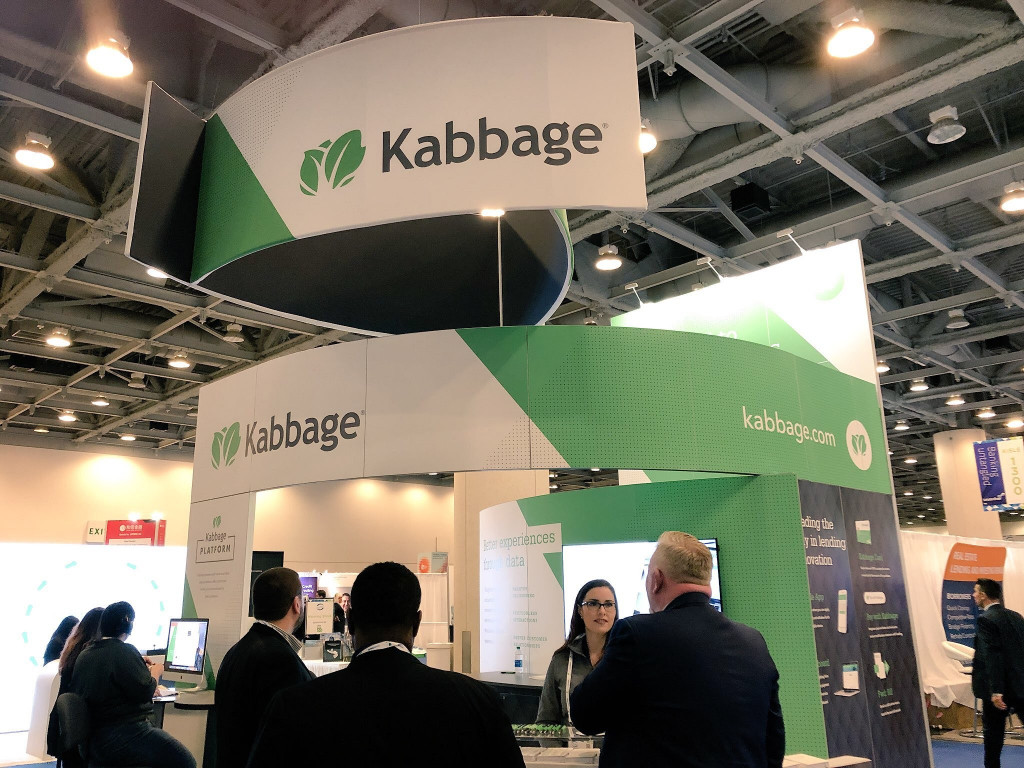 When it comes to lending, the business models of Square and PayPal may be too good to ignore.
According to Reuters, Kabbage plans to launch its own payment processing service by year-end. “The monoline businesses have a hard time succeeding long term,” Kabbage co-founder Kathryn Petralia is quoted as saying.
While Square and PayPal started off in payments and added lending, Kabbage sees the value proposition of the reverse play, to start off in lending and add payments.
But another Square and PayPal rival may not. Back in October, AltFinanceDaily questioned OnDeck CEO Noah Breslow during an interview about this very thing. At the time, Breslow responded that they were not going to sell merchant processing. “Never say never,” he said, “but not in the near future.”
Square and PayPal’s lending businesses differ from other online lenders in that they can solicit their existing payments customer base at virtually no cost. OnDeck, meanwhile, spent $53 million last year alone on sales and marketing to acquire loan customers.
Square’s acquisition of payments customers is not cheap, however. The company spent $253 million in sales and marketing last year. The advantage is in not needing to shell out additional cost to convert them into loan customers.
OnDeck still held the lead over both Kabbage and Square last year in loan originations at $2.1B vs $1.5B and $1.17B respectively. PayPal was not ranked.
Panelists Share Marketing Advice at Broker Fair
May 20, 2018
Jennie Villano, Vice President of Business Development at Kalamata Advisors, opened Broker Fair’s “Marketing Your Business” panel by stressing the importance of being personable on LinkedIn. She said that while LinkedIn is certainly a professional platform, warmth and congeniality go a long way. And so does thinking creatively by presenting yourself outside of your professional box.
For instance, about two months ago, Villano started a cooking show video series on her LinkedIn page called “Cooking with Kalamata,” in reference to her company’s name. In each video, she invites a different guest to cook something with her in an informal home kitchen setting.
Villano acknowledged that cooking has nothing to do with lending. But it doesn’t matter, she said. The cooking shows allow potential clients to see her in a casual, non-business environment so that even if she hasn’t met many of her LinkedIn contacts, they can feel like she’s a personal friend. And people want to do business with their friends, she said.
The “Cooking with Kalamata” video posts, which are two to four minutes long, have received thousands of views and Villano said that she has seen an increase in business in just the few months after she started making these videos.
Tom Gricka, founder and president of Bablyon Solutions, a marketing and technology company that services the alternative lending industry, spoke about the importance of communication among different teams within a company.
If a company has a bad month, Gricka said that often brokers will blame the marketing team for bad leads and the marketing team will blame the brokers for not selling well. Gricka said that usually neither party is correct. Instead, he said that brokers should be communicating with lead generators about what they’re hearing on the phone and what kinds of leads they would like to be getting more or less of. Likewise, marketers/lead generators need to listen to what the salespeople are saying so that they can produce more targeted leads.
Finally, CEO of Reliant Funding Adam Stettner spoke about the importance of testing marketing efforts online. And he said to make sure that you’re only testing one variable at the same time.
Reliant Funding started by using direct mail marketing, but Stettner said that if he had to do it over again, he would have started with online marketing. And he recommended starting out with online marketing particularly for companies or individuals with small budgets because online marketing is less expensive and can be more easily adjusted.
Broker Fair 2018 Story Continued
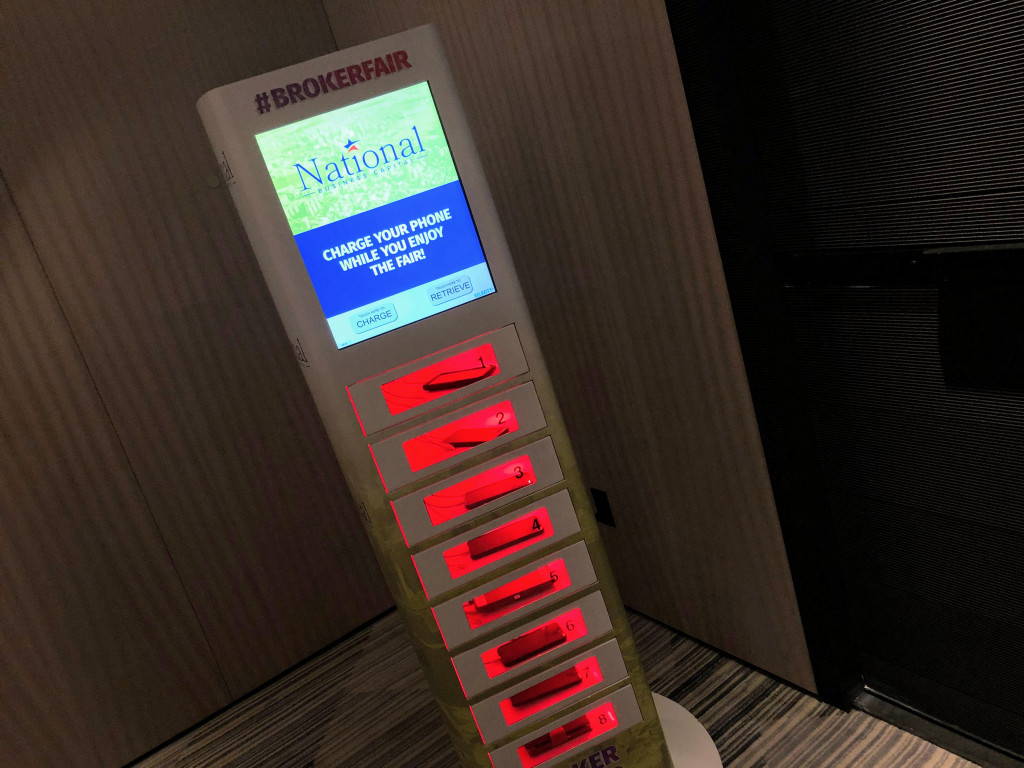
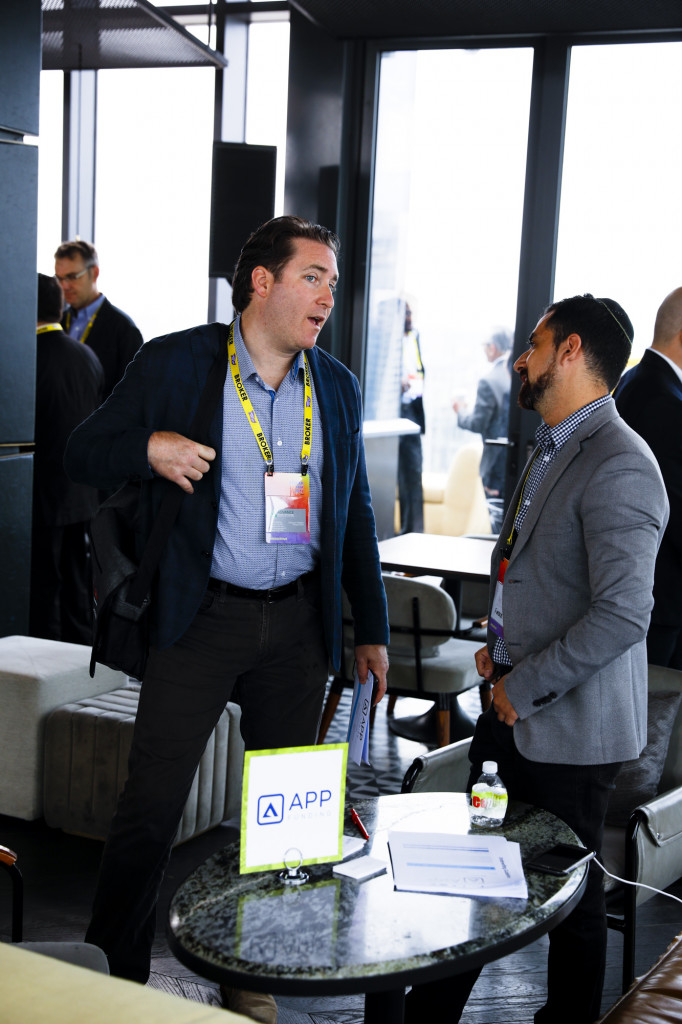
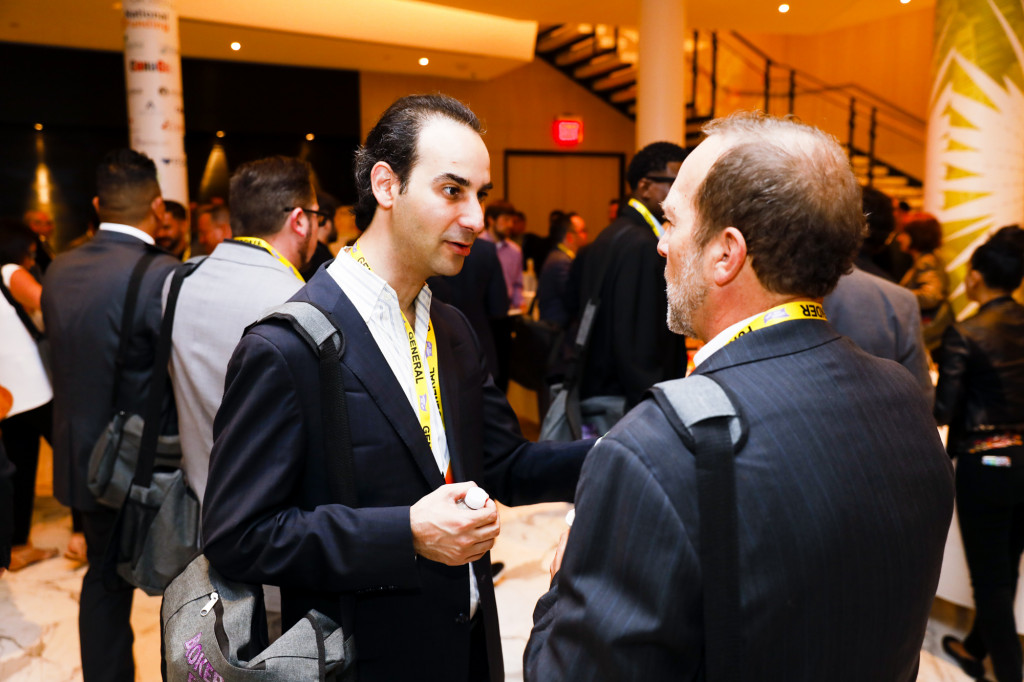
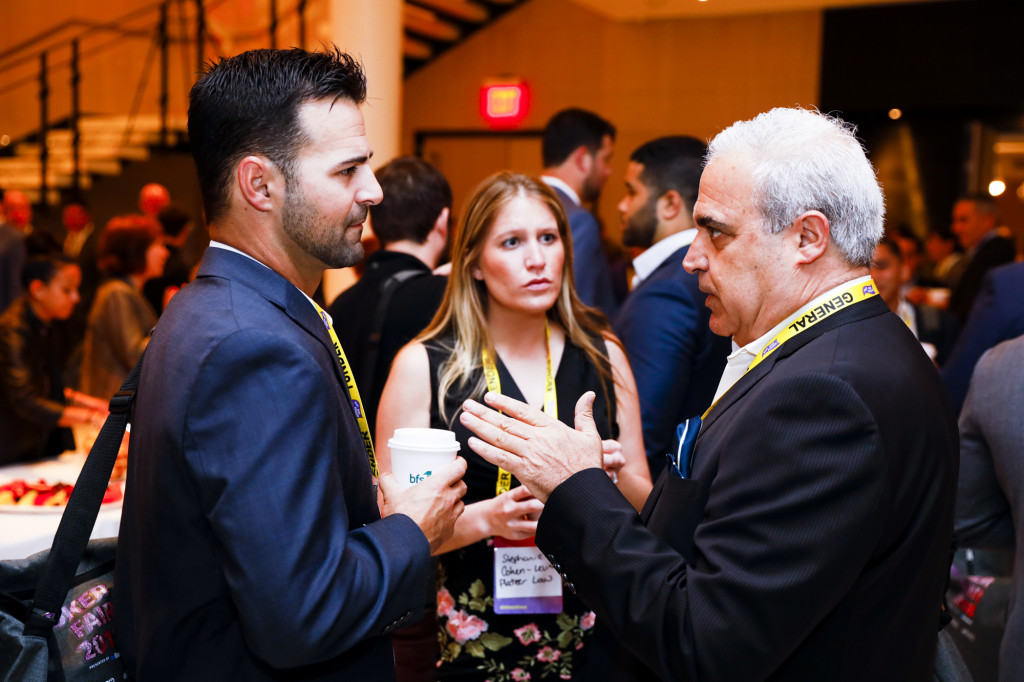
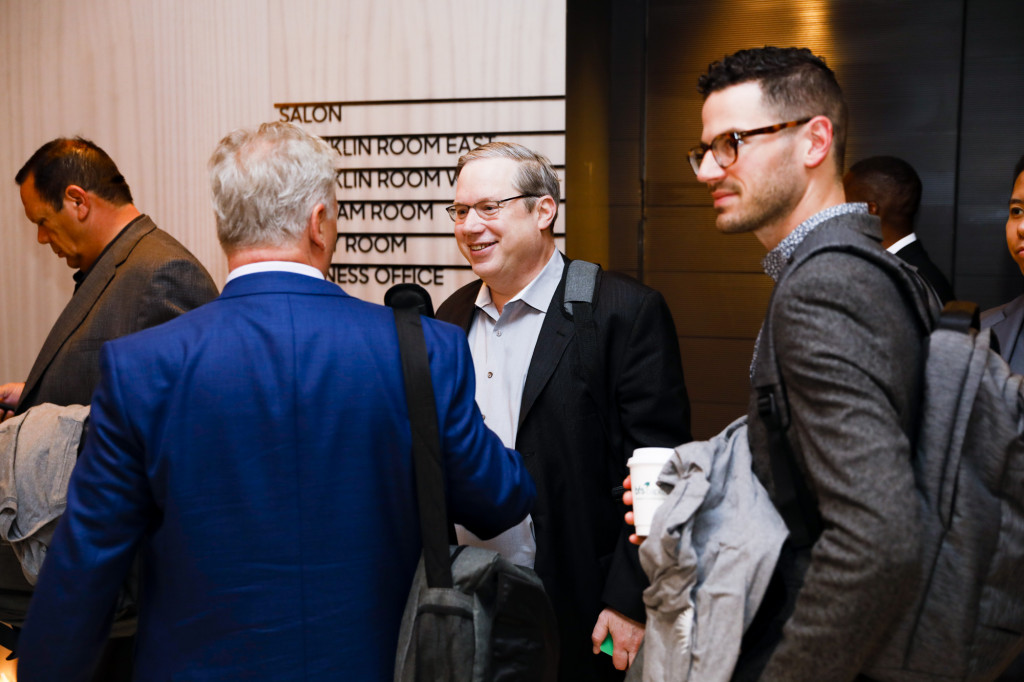
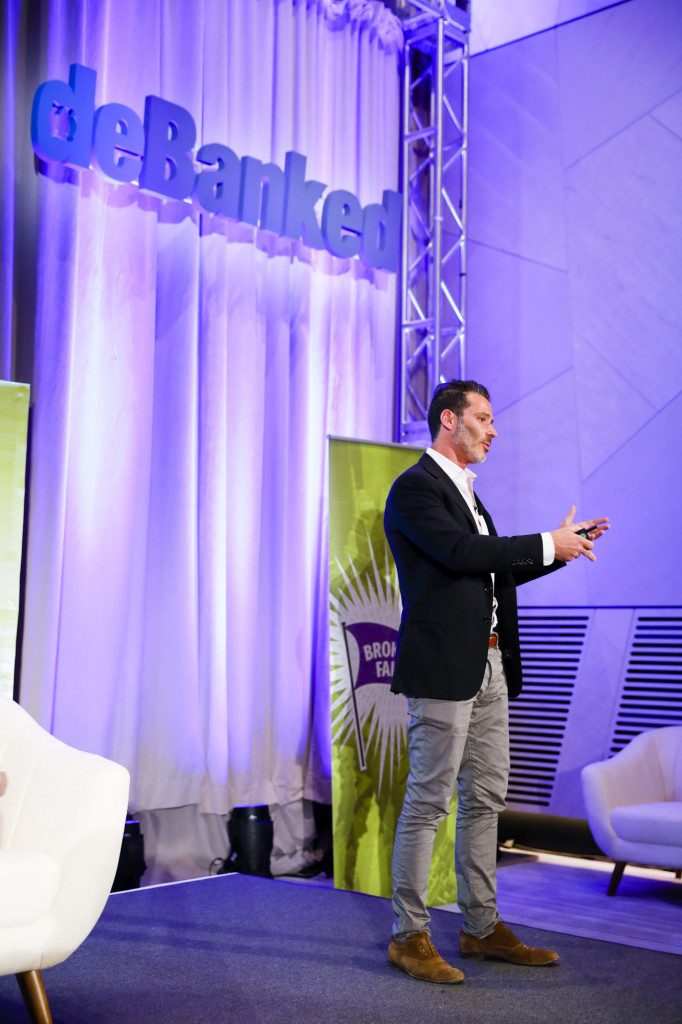
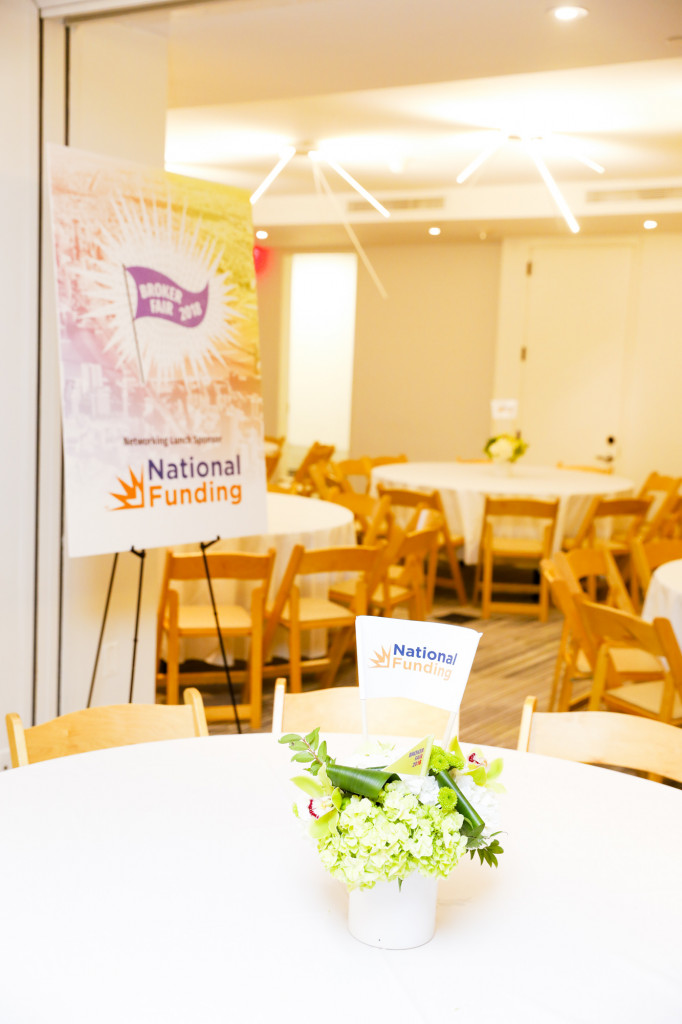
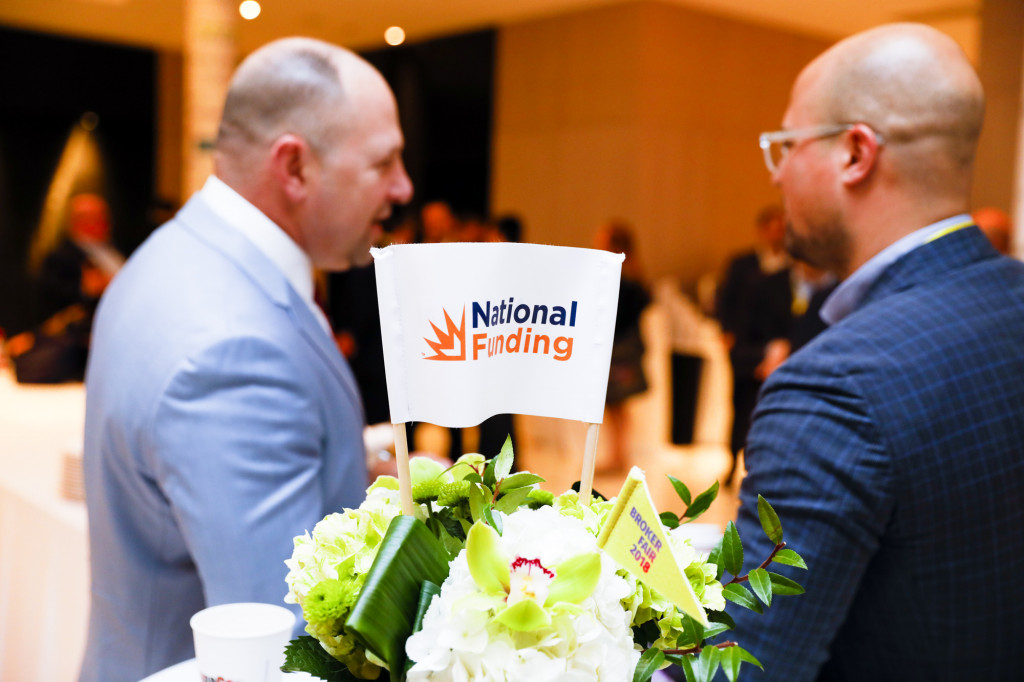
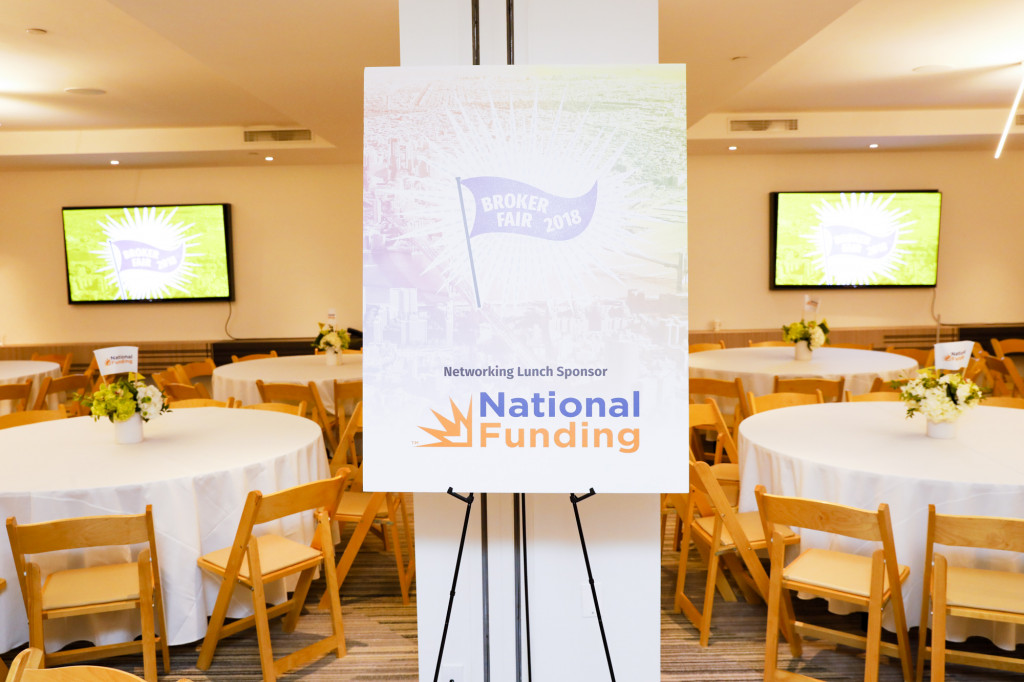
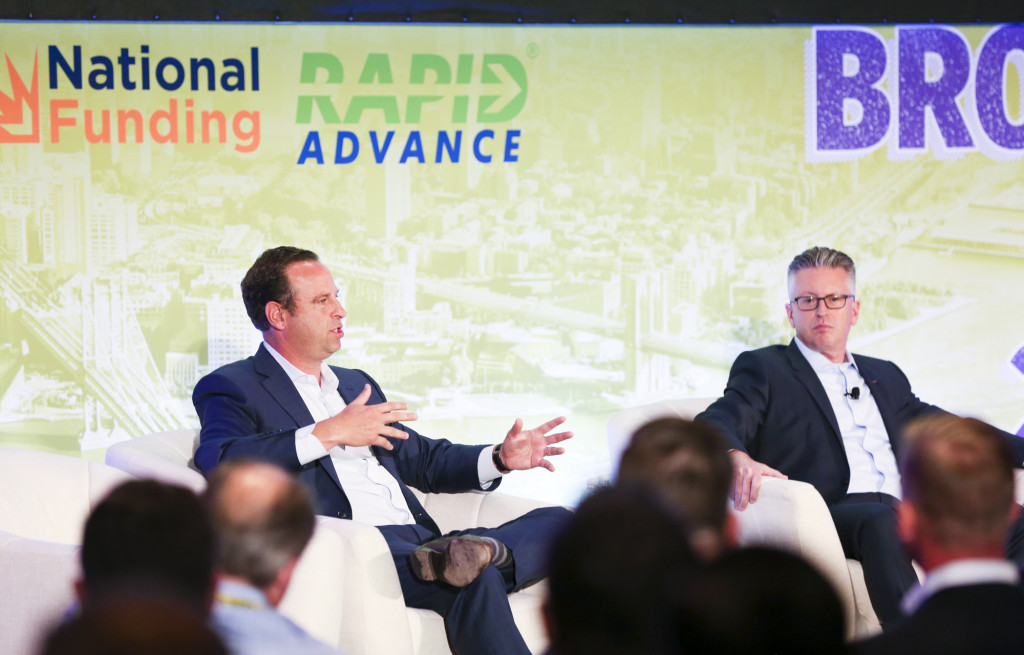
May 18, 2018A continuation of Broker Fair 2018 through photos:
We’ll publish the entire cache of them in the coming weeks.









































JOIN US OCTOBER 4TH IN SAN DIEGO AT THE ANDAZ FOR A SPECIAL HALF-DAY INDUSTRY NETWORKING EVENT
Couldn’t find yourself in any of our photos? We’ll publish the full album in the following weeks.
The Broker Fair 2018 Story Through Photos
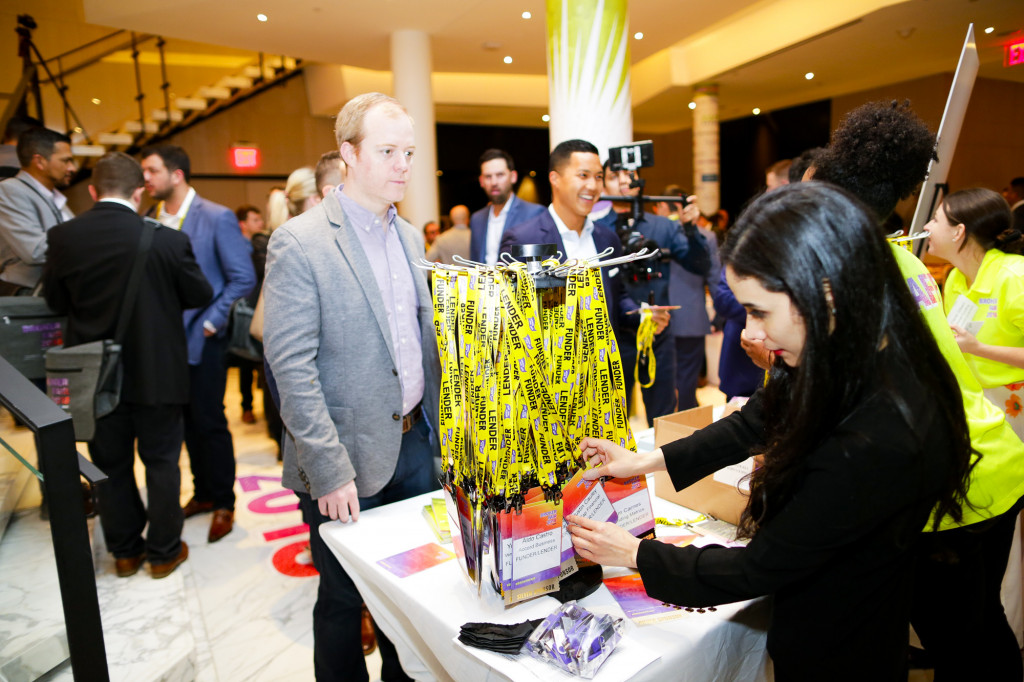
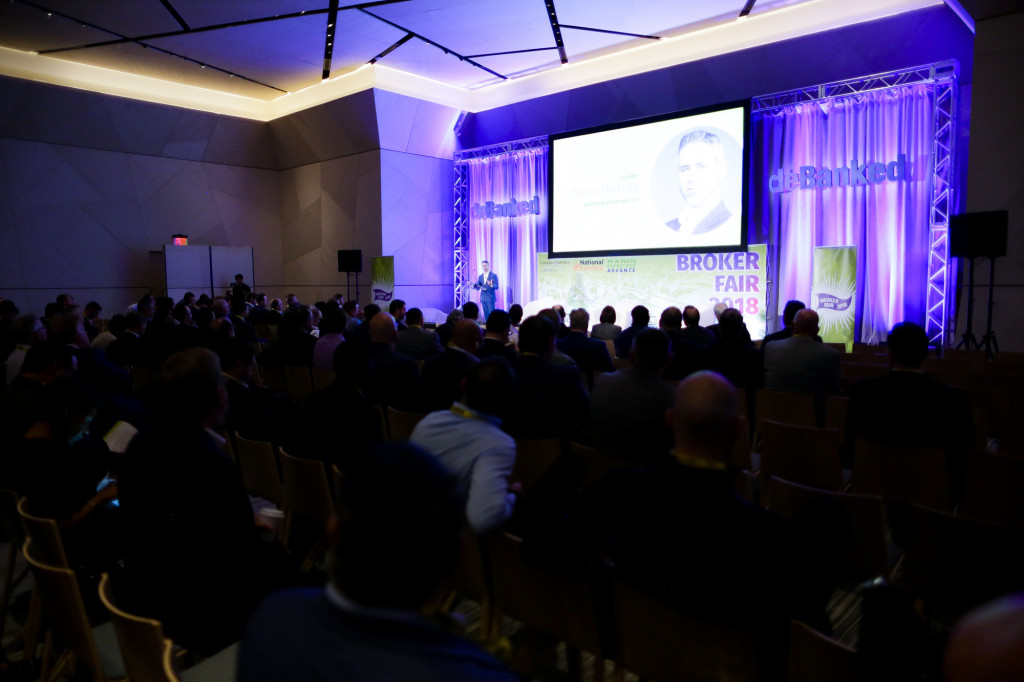
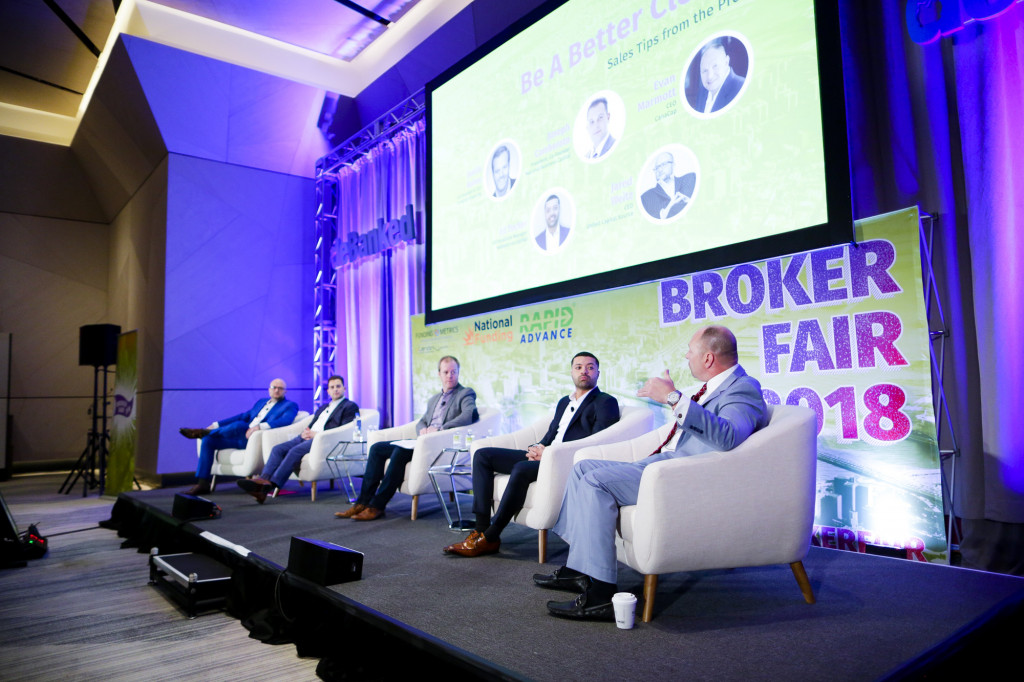
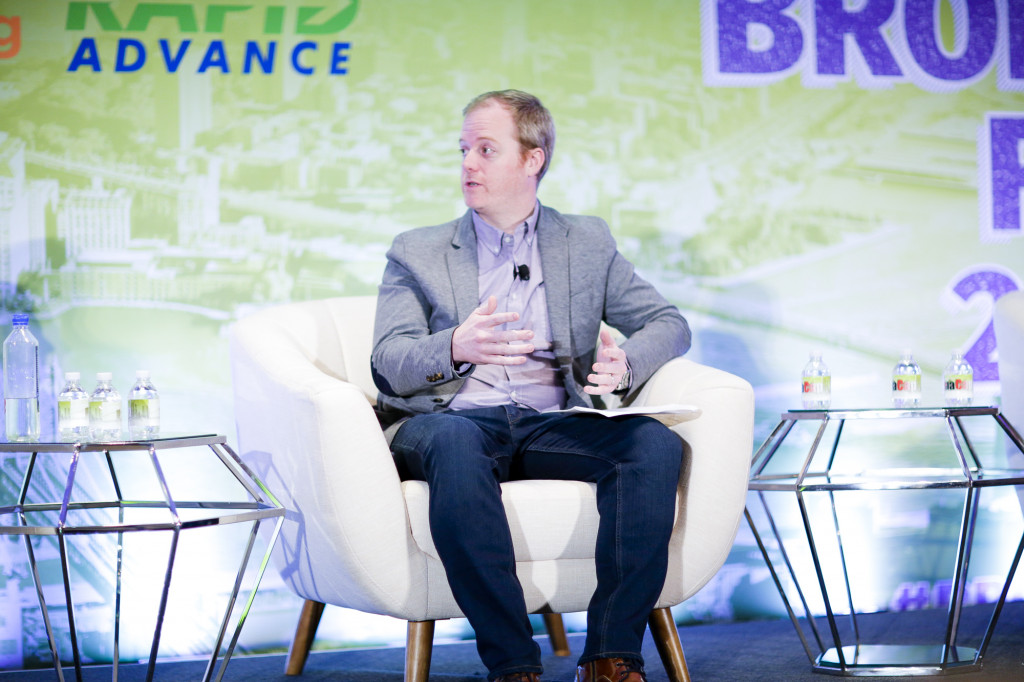
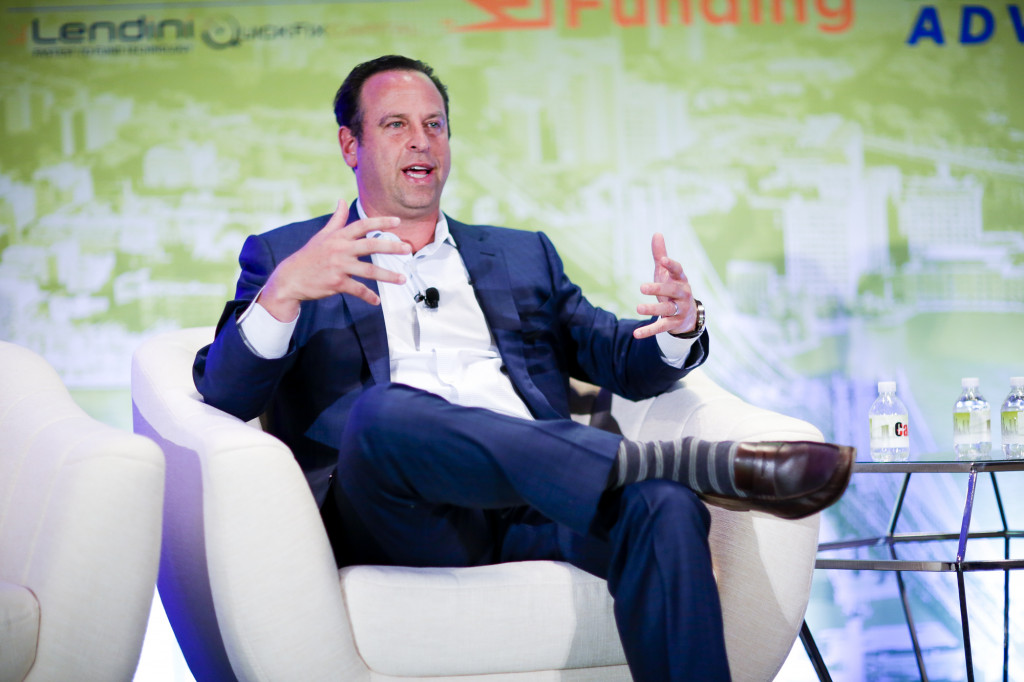
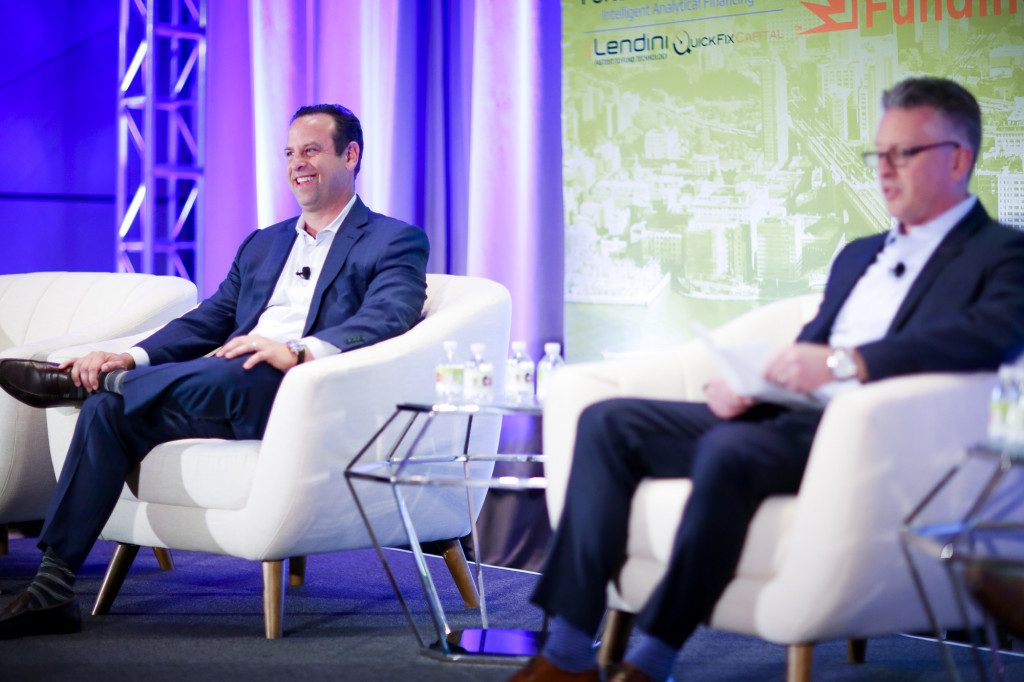
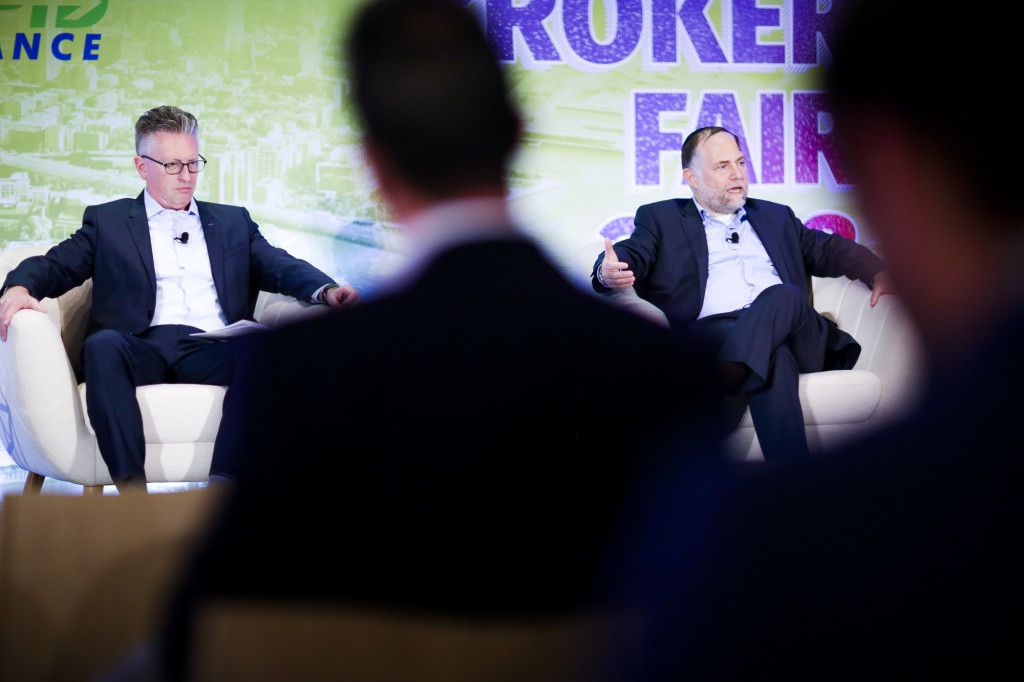
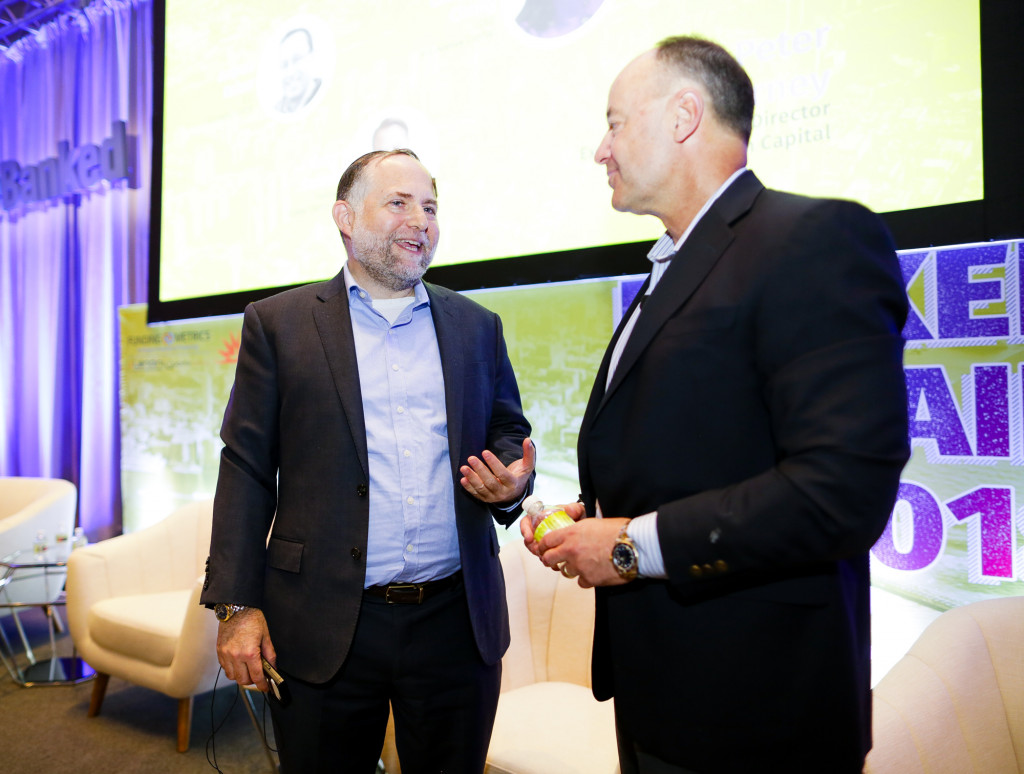
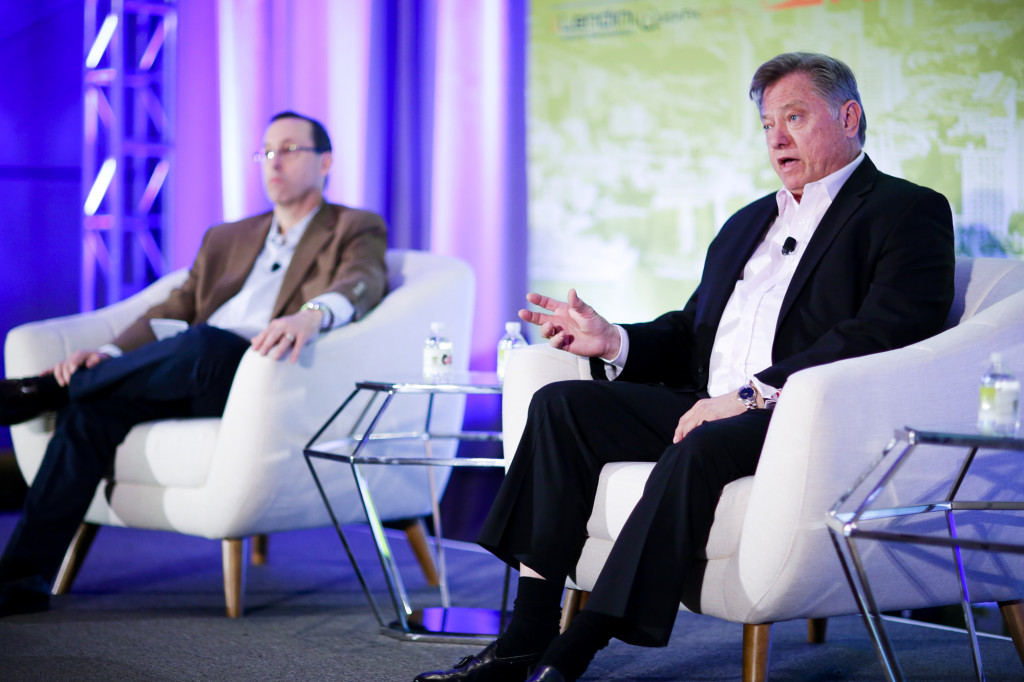
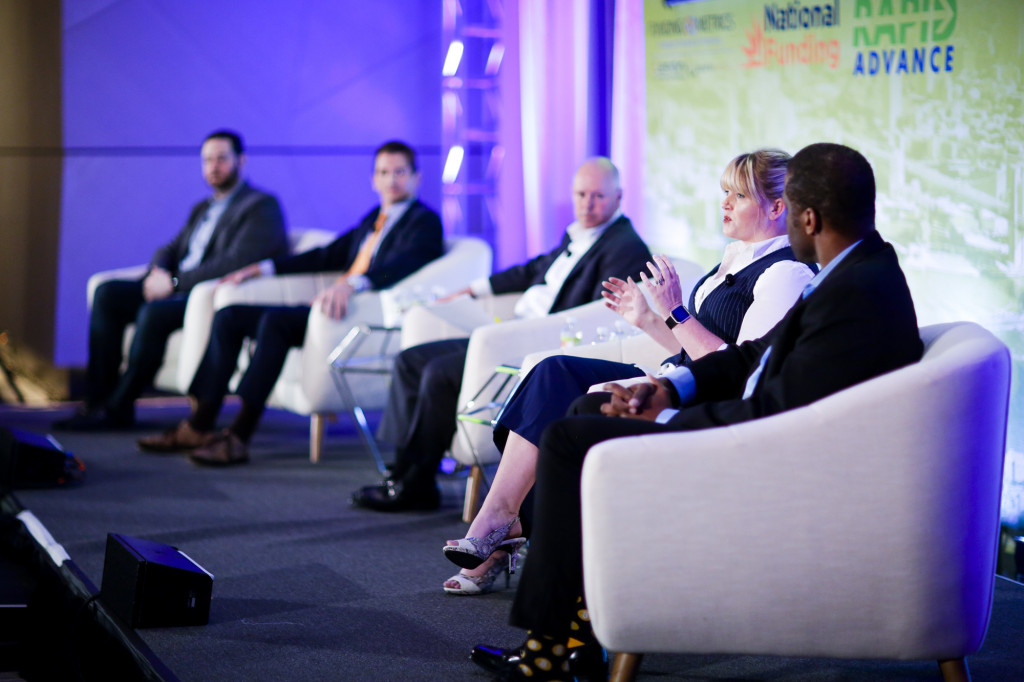
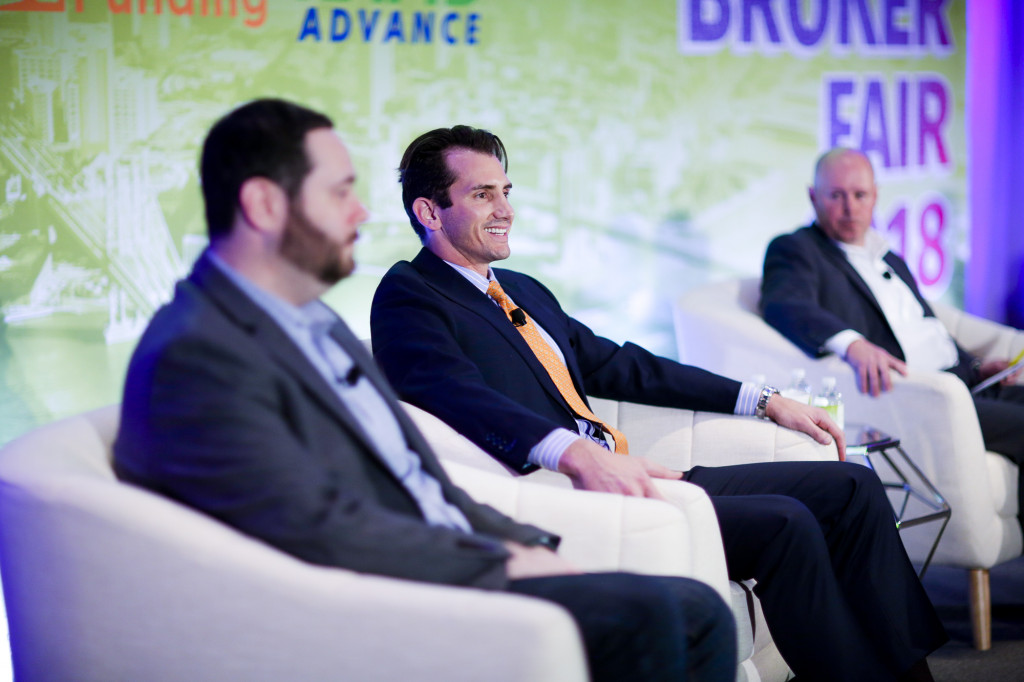
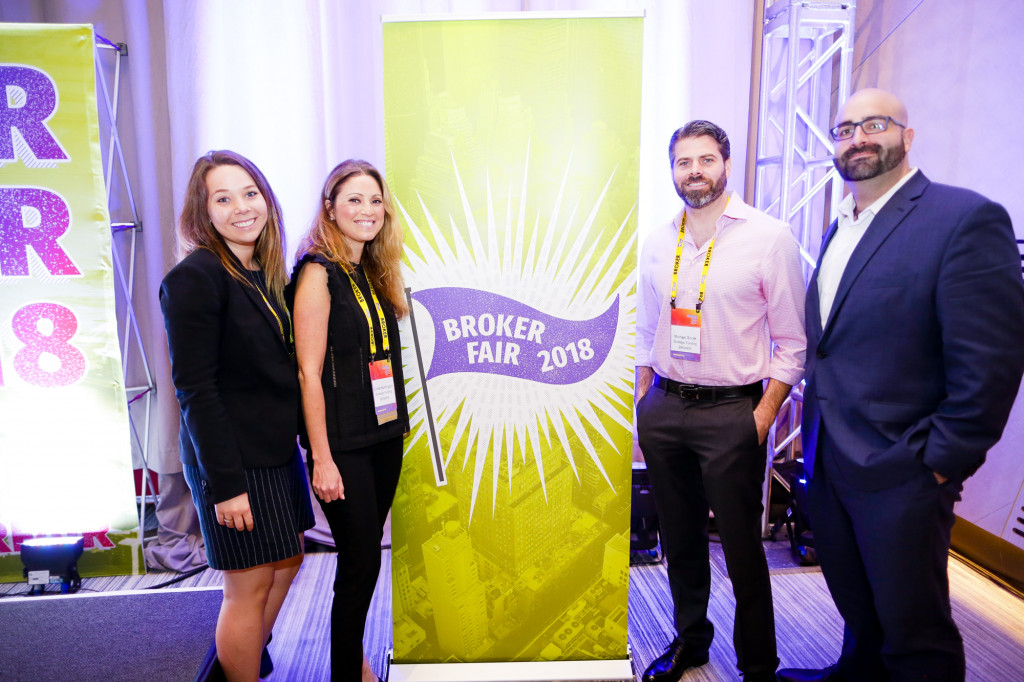
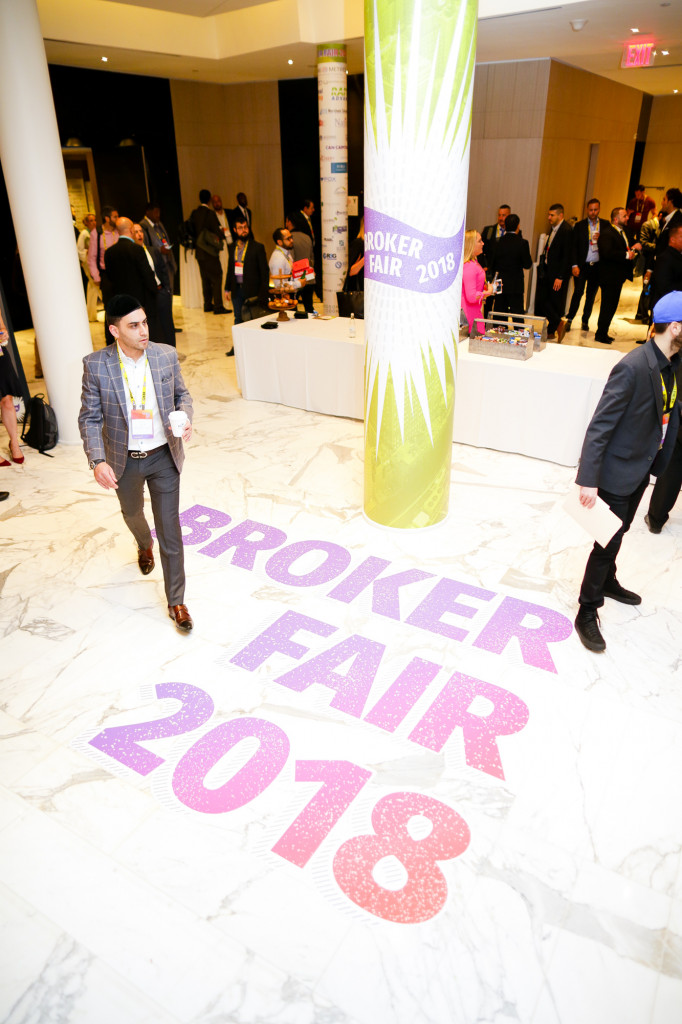
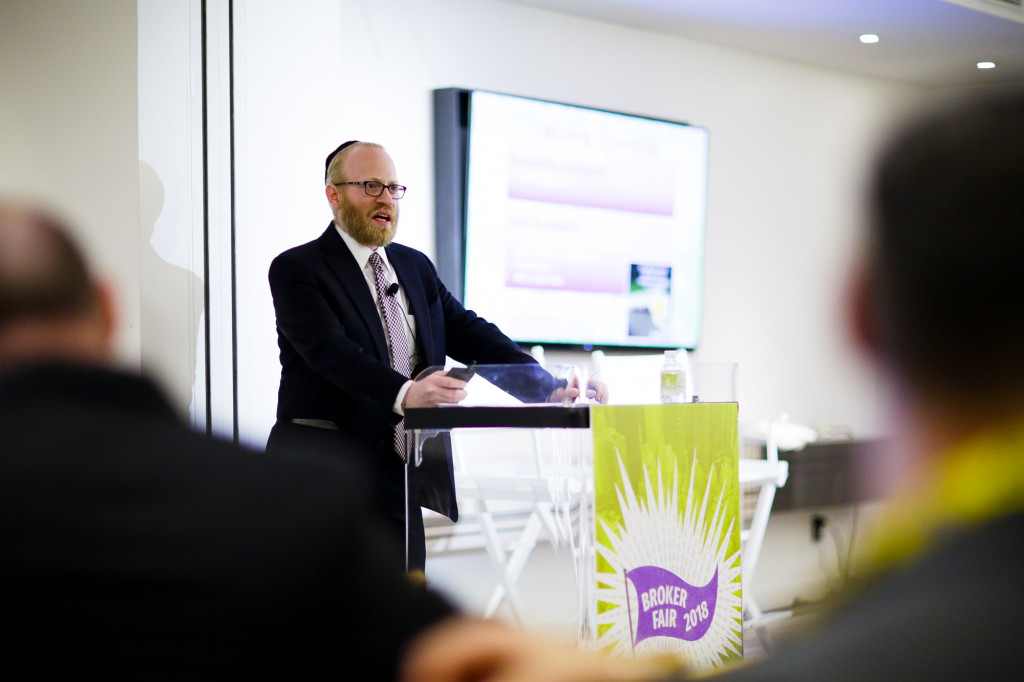
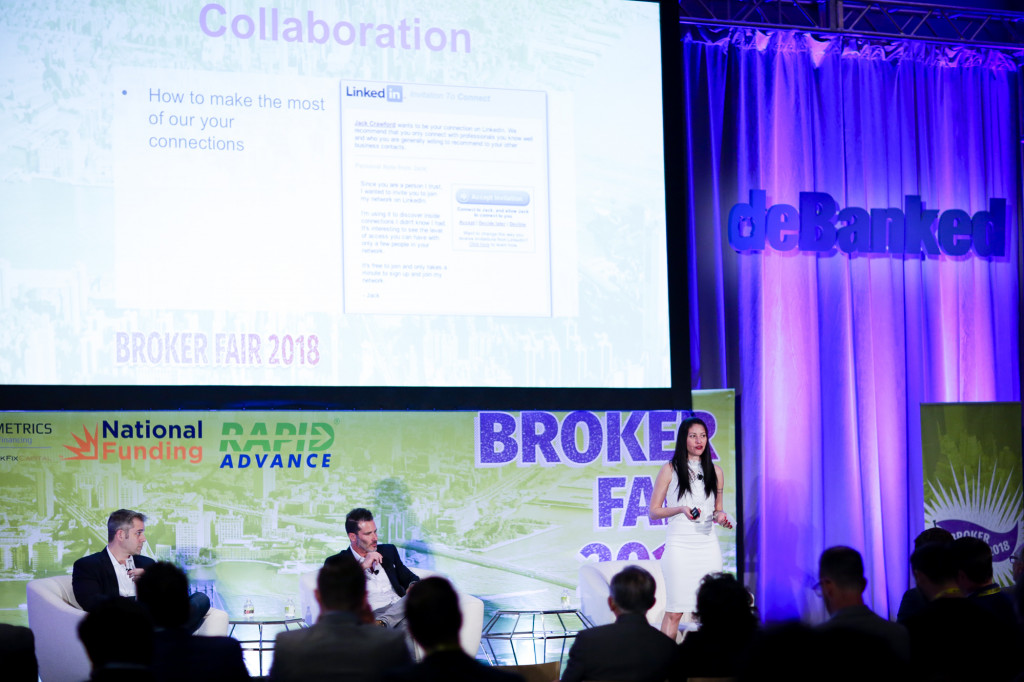
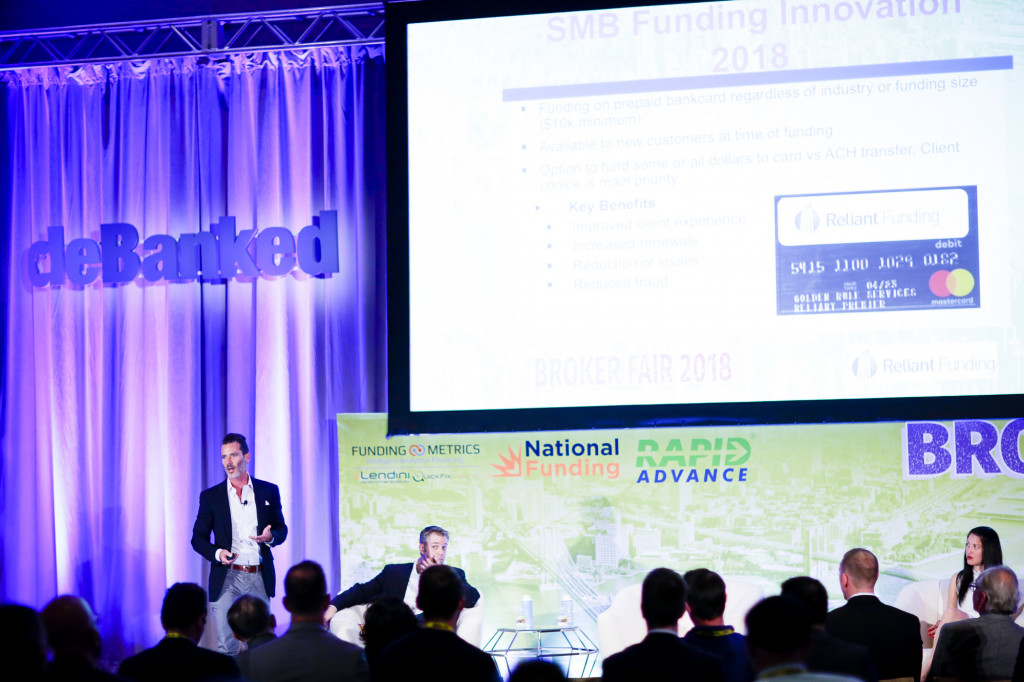
May 18, 2018Broker Fair 2018 was an amazing day of inspiration, education, and opportunities. We’ve posted some of our photo footage below:












































































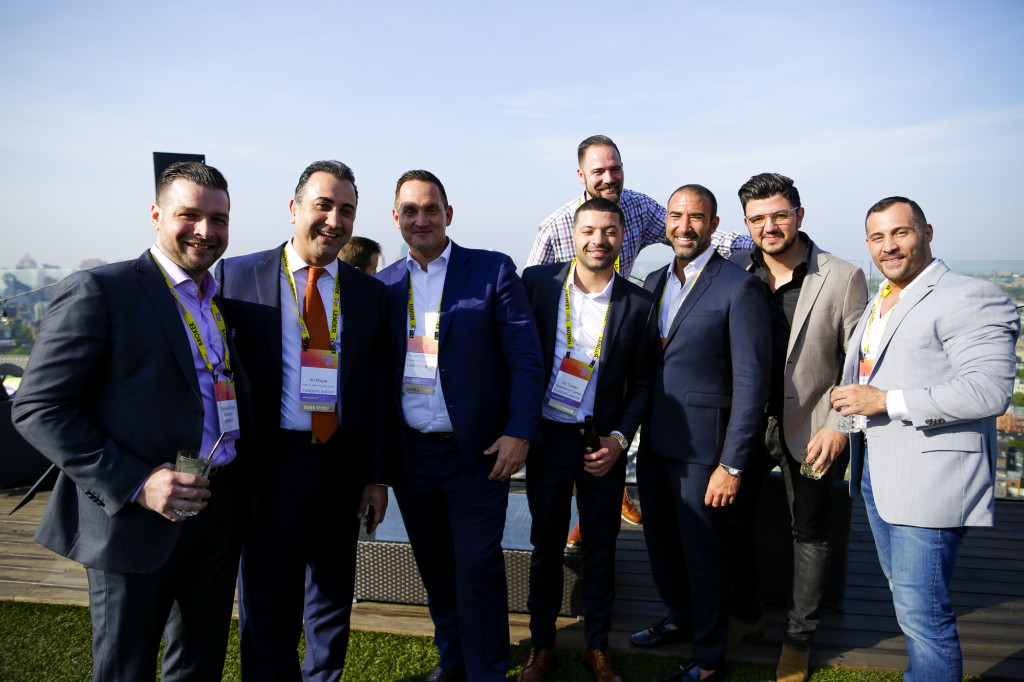


























JOIN US OCTOBER 4TH IN SAN DIEGO AT THE ANDAZ FOR A SPECIAL HALF-DAY INDUSTRY NETWORKING EVENT
Couldn’t find yourself in any of our photos? We’ll publish the full album in the following weeks.
Fundbox Partners with Eventbrite to Provide Credit to Event Organizers
May 17, 2018 Today Fundbox announced an integration with Eventbrite that will give small business event creators access to capital.
Fundbox Chief Business Officer Sebastian Rymarz told AltFinanceDaily that event planners for small businesses often have to lay out a lot of money up front – to secure a venue, rent equipment or pay for a performer – before they get paid through ticket sales later.
“There’s this mis-timing between expenses and revenue,” Rymarz said. “There’s an acute need and we’re able to serve [event creators] by providing them with capital to fund those events.”
Funding a company as it anticipates future earnings sounds akin to factoring. But this solution for event creators is not a factoring product. In fact, Rymarz said that Fundbox does not have a factoring product. Instead, this new solution is a new application of what the company calls its Fundbox Line product. This is a line of credit that is paid back weekly over 12 to 24 weeks, regardless of when an invoice is paid, or when tickets are sold.
Fundbox doesn’t purchase invoices. It doesn’t even verify if an invoice exists. Instead, the company relies on its technology. Once an application is submitted, its proprietary system reveals a company’s payment history, its clients, vendors and other information that paints a picture of its creditworthiness. The data system, which Rymarz calls a “ledger graph,” is a web of thousands of small and medium-sized businesses that contains information about the businesses’ relationships to one another.
“Every customer that applies makes our algorithms smarter,” Rymarz said.
He also explained that Fundbox does not employ a single underwriter. Rather, the company invests heavily in developing technology, like its ledger graph. Rymarz said that of the company’s roughly 170 employees, 60 percent of them are either machine learning experts, data scientists or engineers.
The company, co-founded in 2013 by CEO Eyal Shinar, is headquartered in San Francisco and has a research and development team in Tel Aviv.
Welcome to Broker Fair
May 13, 2018Update: Thanks to everyone who attended, participated, and sponsored!
 Registration on Monday starts at 7am where you will be able to pick up your badge. The continental breakfast will be available at 8am and the opening remarks begin at 8:45am.
The lunch, sponsored by National Funding, begins at 12. There will be a kosher option available.
Later at the end of the day, the cocktail reception at Westlight, which is upstairs on the 22nd floor, will begin at 5:30pm. Westlight offers amazing outdoor views of the Manhattan skyline. That event is sponsored by RapidAdvance and all you need to enter is your Broker Fair badge.
The agenda will also be available on the backside of your badge.

Thank you also to our Gold Sponsors: National Business Capital, CFG Merchant Solutions, BFS Capital, and CanaCap
SBFA Launches Broker Council
May 11, 2018
The Small Business Finance Association (SBFA) announced today the launch of a new initiative called the SBFA Broker Council designed to create and implement a set of best practices for brokers of alternative funding products.
“I think this would create two playing fields,” said SBFA member and CEO of United Capital Source Jared Weitz. “A playing field where a group belongs to this association and we understand that that group is acting in best practice, and another group that is acting on their own behalf, and we hope that they’re acting in best practice, but we can’t verify it. Folks in our group we can verify.”
Weitz and James Webster, CEO and co-founder of National Business Capital, are spearheading the SBFA Broker Council. They are the co-chairs and are in the process of selecting a board of other brokers.
What would membership in the SBFA Broker Council mean? It would mean abiding by a set of best practices. Weitz told AltFinanceDaily that he and Webster would like to implement background checks on owners of brokerages and would like to make sure that brokers are storing data in their offices properly so that merchants aren’t vulnerable to having their private information stolen and abused.
They also want to make sure that brokers have the appropriate licenses in states that require them, that fees are being explained to merchants transparently and that merchants are not being triple or quadruple funded at once, “hurting the cash companies and the merchants,” Weitz said.

Membership in the SBFA Broker Council would require SBFA membership. Current members include funders, ISOs/brokerage companies and vendors that are active in the alternative funding space.
“To participate, we want members,” said Jeremy Brown, Chairman of the SBFA. “We want to give [broker members] sort of our seal of approval, and we want to know that they’re going to represent the ideals we stand for.”
Brown said that brokers have a reduced membership fee: $475/month for smaller brokerages and $950/month for larger ones.
Brown, who is also Chairman of RapidAdvance, a funding company, said that having membership in or an organization that has a set of standards would give him comfort as a funder.

“[This] would give me a lot of confidence that you’re a good actor,” Brown said, “because one of the problems in the industry is that you do have people in an unregulated business that do unethical things. So knowing who to deal with is really important and valuable.”
The SBFA is a non-profit advocacy organization with a mission to educate policymakers and regulators about the alternative funding business. According to today’s announcement, a goal of the SBFA Broker Council is to promote brokers who act fairly. But how could a third party association advance a broker’s career?
Weitz said:
“We would be able to have a badge on our email and on our website that says we are SBFA broker approved, meaning that anyone who’s a part of this council…would be on the [SBFA] website so we can build credibility when we’re on the phone with a merchant. We can say, ‘Hey, you probably spoke to three or four different brokerage shops today. It’s prudent to do that…however, let’s make sure that the ones you’re talking to belong to this association because those are the ones that are going to act on your behalf, the right way.”
SBA 504 Loans Decline YoY 2017-2018
May 8, 2018 Funding of SBA 504 loans decreased by 26 percent from January through March 2017 compared to January through March of 2018, according to SBA (Small Business Administration) data. In the first three months of 2017, $1,326,601,000 of SBA 504 loans were funded compared to $987,896,000 of SBA 504 loans in the first three months of 2018. The number of companies that received SBA 504 loans also fell January through March year over year. There were 1,574 companies that took SBA 504 loans from January through March of 2017, compared to 1,290 companies over the same period this year, a decrease of 18 percent.
The SBA 504 loan is a government-backed loan that can only be used for commercial real estate or long-term machinery purchases. It differs from the more common SBA 7(a) loan, which is a general purpose loan that can be used for anything from working capital to business acquisition.
When contacted regarding the decline in the dollar amount volume of loans issued this year compared to last, the SBA submitted the following response from Bill Manger, Associate Administrator for the SBA’s Office of Capital Access:
“After a very strong FY17 of 504 SBA Lending, this year the program has performed on par with longer-term trends. We have also seen banks making more conventional loans without the SBA guarantee due to the strength of the U.S. economy and increased small business optimism brought about by the regulatory reforms and tax cuts championed by the Trump Administration. The SBA continues to work with our Certified Development Companies and Lending Partners to further strengthen the 504 Program and ensure it is helping create and grow U.S. small businesses. In addition to our 10 Year and 20 Year Debentures, last month the SBA implemented a 25 Year Debenture for 504 loans, offering fixed-rate financing for an additional 60 months to our small business owners. We believe this new product will be looked upon favorably by our stakeholders and borrowers by offering a longer term loan that will improve the cash flow of entrepreneurs utilizing the program.”